
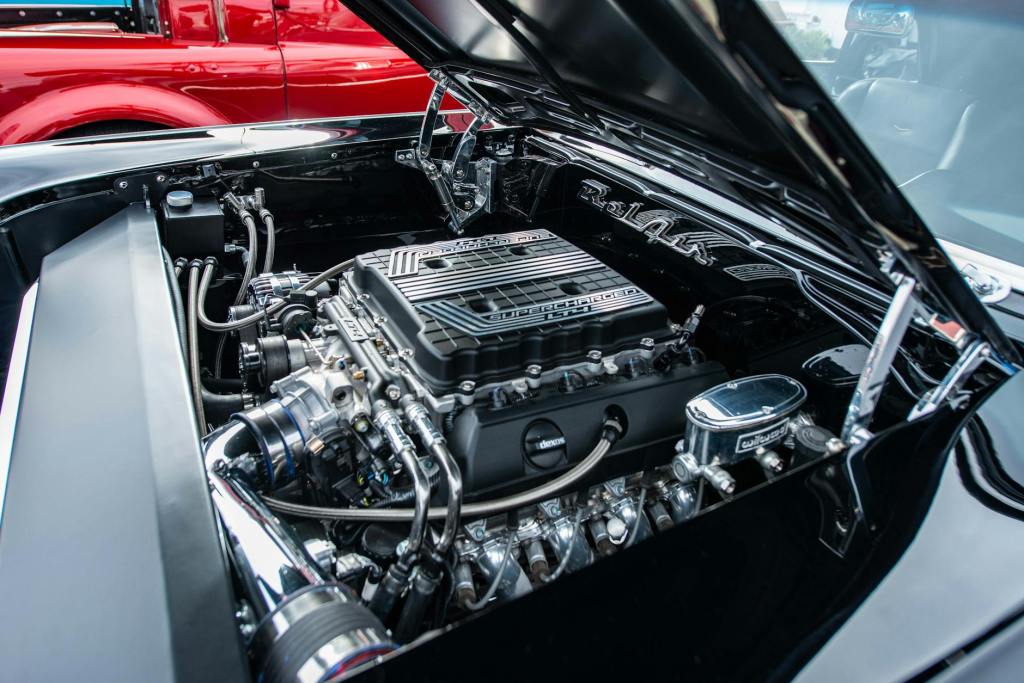
Your car’s transmission is its unsung hero—silently shifting gears so you can accelerate smoothly or cruise effortlessly. But when it acts up, that odd clunk or delayed shift can send shivers down any driver’s spine. Ignoring these signs? That’s a gamble with your safety and wallet. Let’s unravel how to spot, diagnose, and address transmission troubles before they leave you stranded.
Why Quick Action Matters
Transmissions are complex symphonies of gears, fluid, and electronics. A minor leak or worn bearing can snowball into catastrophic failure if ignored. Beyond avoiding sky-high transmission repairs, early diagnosis:
-
Boosts safety: Prevents sudden power loss mid-drive.
-
Saves fuel: A struggling transmission forces your engine to work harder.
-
Preserves peace of mind: No one wants a roadside breakdown during a holiday road trip.
Know Your Transmission: Manual vs. Automatic
Core Components:
-
Automatics: Rely on torque converters, valve bodies, and hydraulic fluid.
-
Manuals: Use clutches, synchronisers, and mechanical linkages.
Key Differences: Automatics handle shifts for you but are more complex. Manuals offer control but demand driver input. Both suffer when fluid quality drops or parts wear out.
Spot the Red Flags: Early Warning Signs
-
Strange Noises & Vibrations:
-
Whining/Grinding: Low fluid or worn bearings.
-
Clunking: Loose mounts or failing gears (common during RPM changes).
-
-
Shifting Issues:
-
Slipping Gears: Engine revs but speed doesn’t increase. Often due to low fluid or worn clutches.
-
Delayed Engagement: Hesitation when shifting from Park to Drive. Suggests hydraulic problems.
-
Rough Shudders: Contaminated fluid or internal damage.
-
-
Fluid Leaks:
-
Red or brown puddles under your car? Stop driving. Leaks cause overheating and irreversible damage. Low fluid = friction = failure.
-
DIY Checks: 10-Minute Home Inspections
-
Fluid Check:
-
Locate the dipstick (usually near the engine).
-
Healthy fluid: Red/pink, sweet-smelling.
-
Warning signs: Dark brown, burnt odour = immediate change needed.
-
-
Road Test:
-
Listen for whining/grinding during acceleration.
-
Note sluggish shifts or RPM flares.
-
-
Scan for Codes:
-
Use an OBD2 scanner (~$50). Codes like P0700 hint at transmission faults.
-
Why Australian Conditions Are Tough on Transmissions
-
Heat & Traffic: Stop-start driving in cities like Sydney or Melbourne strains clutches/torque converters. Fluid thins in heat, reducing lubrication.
-
Dust & Dirt: Rural gravel roads contaminate fluid faster.
Pro Tip: In hot regions, change fluid every 40,000 km (not 100,000 km).
Can You Fix It Yourself?
DIY-Friendly Tasks:
-
Topping up fluid.
-
Replacing external seals.
Leave to Pros: -
Internal component repairs (e.g., valve bodies, clutch packs).
-
Computer recalibration.
Safety First: Never work under a car without jack stands!
Prevention: Your Transmission’s Best Friend
-
Change Fluid Regularly: Every 60,000 km (or 40,000 km in harsh conditions).
-
Drive Gently: Avoid aggressive acceleration/towing.
-
Annual Inspections: Mechanics spot leaks or wear you’ll miss.
FAQs
Q: How often should transmission fluid be changed?
A: Every 40,000–100,000 km. Short trips, heat, or towing? Lean toward 40,000 km.
Q: Repair or replace a failing transmission?
*A: If repair costs exceed 50% of replacement, opt for a rebuild/swap. Age matters too.*
Q: What if I ignore warning signs?
A: Expect total failure—and a bill 5x higher than early transmission repairs.
Final Word
Catching transmission issues early transforms panic into empowerment. Listen to your car: that hum, slip, or leak is speaking to you. Pair DIY checks with professional inspections, and you’ll dodge costly transmission repairs while enjoying smoother, safer drives across Australia’s diverse landscapes. Stay proactive, and your gearbox will thank you with years of loyal service.




 automotiveadvice.car.blog
Leave a comment