
Have you ever tried cutting through a thick slab of concrete or stone, only to feel your saw blade getting stuck? Do you find yourself worrying about dull blades or overheating issues? These concerns often come up when dealing with diamond saw cutting, especially for jobs like renovating a patio or shaping granite for a kitchen benchtop. Yet with the right knowledge and routine habits, you can keep your diamond blades in tip-top shape for a much longer period.
In this blog post, we’ll explore the basics of diamond saw blades and unveil the differences between a dry diamond blade, a dry cut diamond blade, and a wet cutting diamond blade. We’ll also discuss some of the most common questions—such as why you might find your diamond blade not cutting, or whether you should invest in a wet diamond grinder for your next Australian renovation project. By the end, you’ll have a good grasp of blade selection and upkeep strategies to help you move smoothly through your cutting tasks.
Whether you’re a DIY enthusiast or a seasoned tradesperson, knowing how to store, maintain, and correctly use tools like a diamond blade wet saw or wet diamond saw can save you both time and money. We’ll walk through five key maintenance tips that can extend your blade’s lifespan and improve its cutting performance. So let’s dive in and discover how to make sure your diamond saw blades are ready for action.
Introduction to Diamond Saw Cutting and Maintenance
Diamond saw blades are designed to slice through materials like concrete, ceramic, and natural stone with unrivalled precision. At their core, they feature tiny industrial-grade diamonds, which provide the strength needed to cut hard surfaces. Because these blades are made with such durable materials, they can last for an impressive period—if you treat them right. That’s why proper maintenance is non-negotiable when it comes to diamond saw cutting. A well-looked-after blade performs better, heats up less, and maintains sharper cutting edges over time.
In many renovation or construction projects around Australia, diamond saw blades come in handy for all sorts of tasks. You might be cutting into garage floors, shaping stone tiles for an outdoor entertaining area, or even resizing pavers for a garden path. Regardless of the job, it’s vital to confirm that your blade is fit for the material you’re working on. For instance, a dry diamond blade will manage certain materials with ease, while a wet cutting diamond blade may be the safer option for tasks that risk generating a lot of heat. By choosing the correct blade at the outset, you reduce the likelihood of uneven cuts or unwanted friction.
Maintenance begins the moment you set up your equipment. Before powering up, it’s wise to check for alignment issues and any visible nicks or cracks along the rim of the blade. Periodic lubrication or cooling—especially when you’re using a wet diamond grinder—also helps prolong the life of your blade and prevents harmful overheating. Once you finish cutting, a thorough clean ensures that debris doesn’t harden and become lodged within the diamond segments. By building a habit of cleaning, adjusting, and safely storing your blades, you’ll keep them ready for your next project.
Understanding the Different Types of Diamond Blades
Diamond blades may look similar to the untrained eye, but they’re designed for different purposes and cutting methods. To choose the right blade, you should know whether you need a dry diamond blade, a dry cut diamond blade, or a wet cutting diamond blade. Let’s break down the main differences and what each blade does best.
Dry Diamond Blade vs. Dry Cut Diamond Blade
At first glance, it’s easy to mix up “dry diamond blade” with “dry cut diamond blade,” because both work with minimal or no cooling water. However, a dry diamond blade is typically versatile enough to handle a range of materials while relying on air flow for cooling. In contrast, a dry cut diamond blade is often marketed to handle extra-tough materials without water-based lubrication. When using either of these blades, it’s crucial to make short, controlled cuts and let the blade spin in open air between cuts. This prevents overheating and helps avoid friction damage.
It’s also wise to pay attention to the RPM (revolutions per minute) rating on these blades, as that gives an indication of the maximum speed you can safely run them at. If you push the blade too forcefully or speed it up beyond its limit, it can overheat quickly. This is especially true if you’re cutting extremely dense materials like reinforced concrete. Ultimately, if you mostly work in dry conditions and can’t rely on water cooling, these blades should be high on your list.
Wet Cutting Diamond Blade and Wet Diamond Grinder Basics
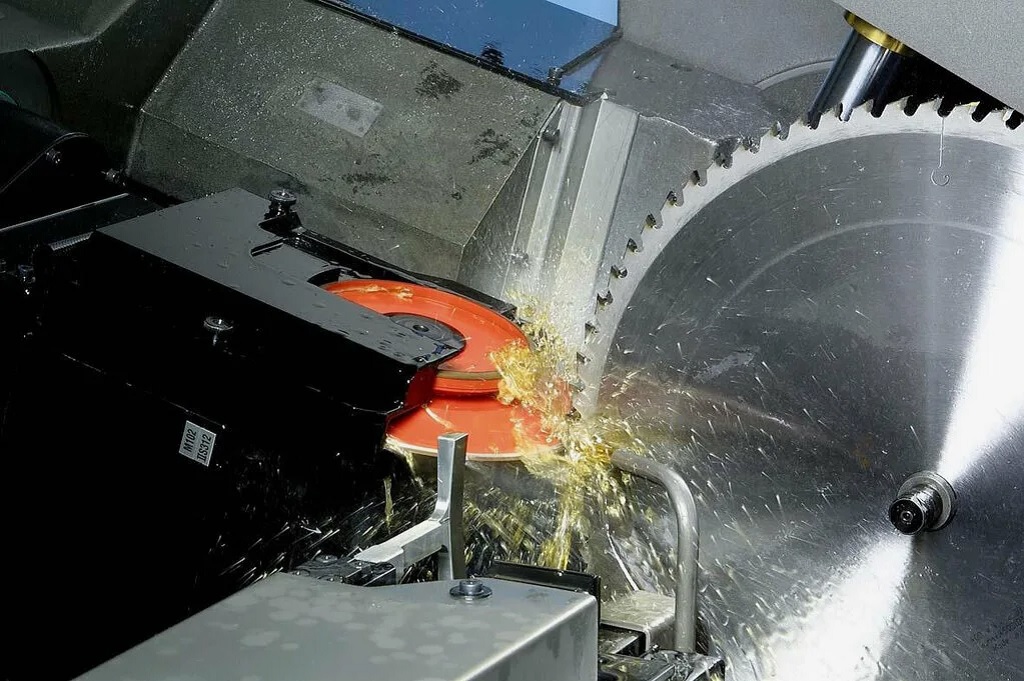
A wet cutting diamond blade is designed to run with water, which drastically reduces friction and heat. The presence of water also flushes out debris, preventing it from clogging the blade’s diamond segments. By keeping the cutting area cool and clear, a wet cutting diamond blade can deliver smoother, faster cuts with fewer chances of warping.
For people who regularly undertake heavy-duty tasks, a wet diamond grinder can be a game-changer. Rather than relying solely on air for cooling, this tool pumps water directly onto the cutting surface. That helps you maintain a steady temperature and reduce dust, which is especially handy for indoor jobs. If you’re looking to increase your blade’s lifespan and need a neat, clean workspace, a wet diamond grinder may be worth considering.
Choosing Between a Diamond Blade Wet Saw and a Wet Diamond Saw
Many DIY enthusiasts encounter both “diamond blade wet saw” and “wet diamond saw” during their search for equipment. In practice, these two terms often refer to a similar type of tool: a saw that utilises water to keep the blade cool. The slight differences lie in brand or design specifics, but the principle remains the same—keep the blade lubricated with water to enhance cutting ability and reduce heat.
When deciding which one to pick, first consider the scale of your typical jobs and the space available for cutting. If you often deal with large, heavy materials, you might benefit from a robust, stationary saw setup. On the other hand, smaller projects might only need a compact model that can cut tiles or stone pavers on demand. Either way, investing in a tool that suits your workload can save you time, effort, and repair costs down the road.
Top 5 Maintenance Tips for Diamond Saw Blades
Proper maintenance is key to getting the most out of your diamond blades. Here are five tried-and-true tips you can follow to keep your saw blades in peak condition.
Regular Cleaning and Debris Removal
After every use, make sure to clean your blade to remove dust and debris. Allowing residue to remain on the blade can lead to a phenomenon called glazing, which effectively dulls its cutting edges. A quick wipe-down, plus a light rinsing under water if your blade is wet-ready, will do wonders. Removing built-up material helps the diamond segments stay exposed, boosting cutting effectiveness next time around.
Check Blade Tension and Alignment
Blade tension plays a huge role in cutting performance. If the blade is even slightly out of alignment, you could end up with crooked cuts or unnecessary vibration. Vibration speeds up wear and tear and makes your blade more prone to cracking. So, before you start cutting, switch off your tool and make sure that the blade sits straight and secure in the arbor. If something seems off, re-tension the blade following the manufacturer’s guidelines or consult a professional for a quick fix.
Optimise Cooling
Overheating can seriously reduce your blade’s lifespan. Dry diamond blades often rely on airflow for cooling, but you should always aim to take short breaks between cuts, allowing the blade to spin freely in the air. For wet setups, ensure your water source flows consistently over the blade’s surface. If you use a wet diamond grinder, top up the water frequently and keep an eye on any blockages in the feed system. Proper cooling not only keeps the diamond segments sharp but also helps prevent damage to the metal core of the blade.
Monitor Segment Wear and Blade Condition
Inspect your blade frequently to check how quickly the segments are wearing down. If they look uneven or you spot cracks, it’s likely time for a replacement or repair. Another common issue is segment loss, which often occurs from constant friction or hitting particularly hard aggregates. Replacing a damaged blade is safer than pushing it to its limits, potentially risking an accident or damaging your equipment. By keeping a close eye on wear patterns, you’ll know when it’s time to retire an old blade or invest in a new one.
Proper Storage and Safe Handling
Finally, store your blades in a clean, dry spot to avoid rust and accidental damage. Some people like to store them on peg hooks, while others stack them on a sturdy shelf with dividers. If you have multiple blades, label them to keep track of which ones are meant for specific jobs or materials. Always handle diamond saw blades carefully, as they can be sharp and prone to chipping if dropped. A neoprene blade guard or cardboard cover can protect both you and the blade as you move it around your workspace.
Conclusion
When it’s all said and done, looking after your diamond saw blades means taking a few easy steps on a regular basis. From cleaning off dust and debris to verifying alignment and tension, each small effort contributes to better performance and safer operations. You’ll also get the added bonus of saving money in the long run, as well-maintained blades stay sharp and last far longer than their neglected counterparts.
Diamond saw cutting can present some challenges, whether you’re removing old concrete slabs or shaping delicate stone tiles. But with the right blade type—be it a dry diamond blade, a wet cutting diamond blade, or a wet diamond grinder—and proper routine care, those challenges become much more manageable. Each material might call for a slightly different approach, but the underlying principle remains the same: keep your blades cool, clean, and well-aligned.
Ultimately, the difference between a frustrating cutting job and a smooth one often comes down to how well you maintain your equipment. So the next time you fire up your diamond saw, pause to check the blade’s condition, confirm your cooling method, and store the blade properly afterwards. By following the top five maintenance tips, you’ll be ready to tackle all kinds of projects with confidence—and enjoy a professional finish time and time again.






 automotiveadvice.car.blog
Leave a comment