
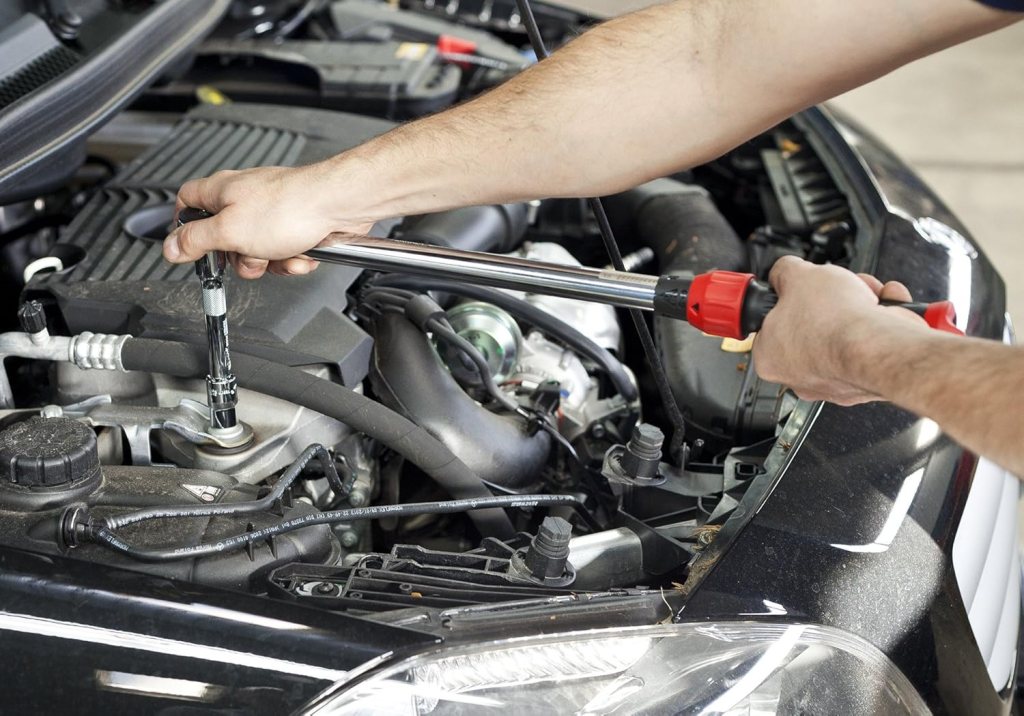
Have you ever wondered if a diesel engine is the best choice for your 4WD or agricultural machinery? Are you looking to buy a new engine but unsure which model to invest in? Or maybe you’ve spotted “diesel parts for sale” online and want to make sure you’re making the right call. If these questions sound familiar, you’ve come to the right place.
In this post, we’ll explore the ins and outs of diesel engine selection, specifically with the Australian market in mind. We’ll look at the basic principles of diesel engines, their key components, and how they differ from petrol-powered options. You’ll discover what factors to consider before making a purchase, from power requirements to long-term maintenance costs.
By the end, you’ll know how to navigate the diesel engine landscape—whether you’re purchasing “new diesel engines for sale” or upgrading from an older model. We’ll also delve into market research tips, SEO keywords, and local factors that might affect your decision if you’re based in Brisbane. Let’s get started and help you choose a diesel engine that ticks all the boxes, ensuring you have the power and reliability you need.
Understanding Diesel Engines
Diesel engine have a reputation for delivering robust torque and long-running reliability. Compared to petrol engines, they often provide better fuel efficiency and lower RPM power, particularly suited to heavy-duty applications. Most Aussies know that diesel engines excel in tough environments, which is why they’re so popular in 4WD vehicles, farming machinery, and even marine applications.
What Makes Diesel Engines Different from Petrol?
The first major difference lies in how the fuel ignites. Petrol engines rely on a spark plug to ignite the air-fuel mixture. By comparison, diesel engines compress air to a high pressure and temperature, causing diesel fuel to combust when it’s injected—no spark plug needed. This process typically gives diesel engines higher torque at lower engine speeds, making them great for towing, hauling, and tackling off-road conditions.
Another distinction is fuel economy. Diesel engines often require less fuel to perform the same work as a petrol engine, which could translate to financial savings over the life of the vehicle. Coupled with their strong torque output, diesel engines are a clear choice for many Aussie drivers who traverse rugged terrains or cover long distances.
Key Components and How They Work
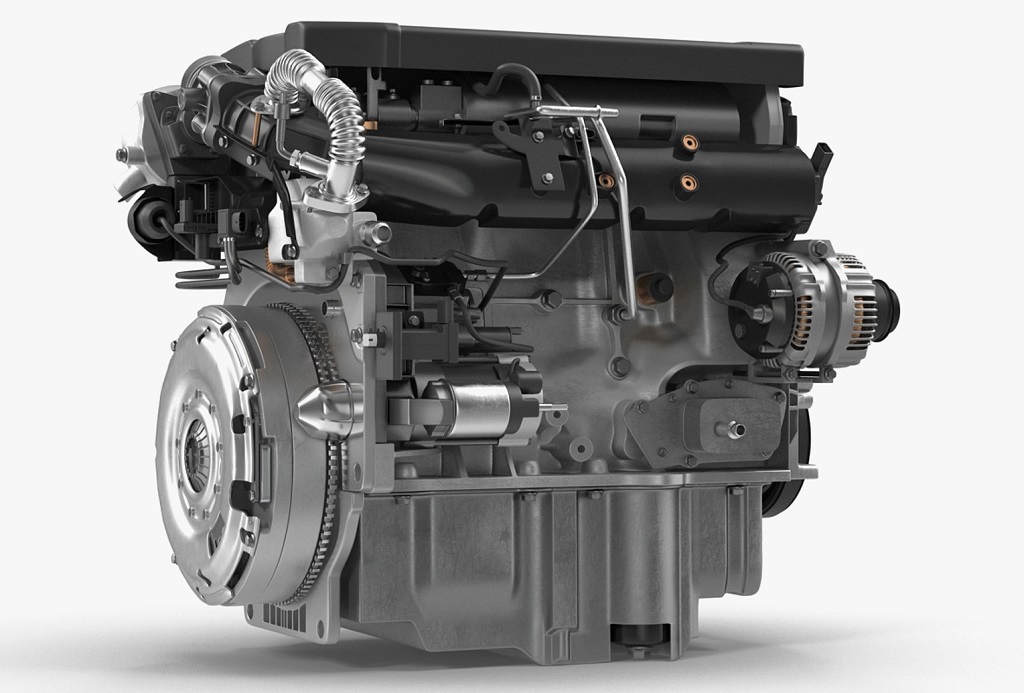
A diesel engine’s core components include the cylinder block, pistons, crankshaft, and fuel injection system. Each cylinder compresses air, and fuel is injected at the peak moment of compression. The resulting combustion pushes the piston downward, turning the crankshaft, which then transfers power to your vehicle’s wheels or to equipment in industrial settings.
Fuel injection technology also plays a key role. Modern common-rail systems are more precise, delivering cleaner emissions and better performance. If you’re in the market for diesel parts for sale, you’ll need to ensure that each part—from injectors to filters—matches the specifications of your engine’s injectors and sensors. This can help maintain optimal performance and fuel efficiency.
Common Applications in Australia (4WD, Agriculture, Marine, and More)
Australia’s vast landscapes make diesel engines an obvious choice for anyone who needs durable, high-torque performance. Popular uses include 4WD vehicles built for off-roading, agricultural equipment that operates in remote farming regions, and marine engines that power boats along the extensive coastline. You’ll also see diesel engines in construction machinery, generators, and even high-performance light trucks.
Whether you’re traversing the long open roads of outback Queensland or working a cattle station in the Northern Territory, a diesel-powered vehicle can offer peace of mind and cost savings over time. Plus, there’s a broad network of diesel service centres across the country, which means getting maintenance and spare parts is generally convenient.
Exploring Diesel Parts for Sale
If you already own a diesel engine and are simply looking to keep it in top shape, you may find yourself scouring the web for “diesel parts for sale.” Knowing which parts to choose and where to find them can be tricky, especially if you’re not a trained mechanic.
How to Make Sure You’re Getting Quality
The key to verifying quality is to pay attention to brand reputation and material specifications. Look for genuine or OEM (Original Equipment Manufacturer) parts whenever possible, as these tend to match your engine’s needs precisely. Quality aftermarket parts can still be a decent choice, but only if they come from established suppliers with proven reliability.
You might also check for warranties or guarantees on the parts. A solid warranty indicates confidence in the product, and it provides you with reassurance if something goes wrong. Avoid bargain-basement deals that seem too good to be true. If a part fails prematurely, you could face bigger problems than the money you saved.
Are All Diesel Parts Compatible with My Engine?
Compatibility is huge when shopping for spare parts. Different makes and models have varying specs, so it’s crucial to double-check part numbers. If you’re unsure, consult the engine’s manual or talk to a professional mechanic. Buying the wrong part can result in costly delays and possible damage, so it’s better to be safe than sorry.
In many Australian workshops, mechanics have direct access to parts databases. This helps them identify the correct components, including details like the injector flow rate, correct gasket sizes, or turbocharger types. If you’re going the DIY route, don’t hesitate to ask a local expert for advice.
Questions to Ask When Browsing Diesel Parts for Sale
- Is this part genuine or aftermarket?
- Does the part come with a warranty, and if so, for how long?
- Are there any known compatibility issues with similar engine models?
- What’s the return policy if the part doesn’t fit?
Running through these questions can save you time, money, and stress. Always read product descriptions thoroughly and check seller reputation—especially if you’re buying online—to avoid nasty surprises.
Where to Find the Best Diesel Engines in Brisbane
Searching for the right supplier in Brisbane entails balancing factors like proximity, reputation, and after-sales support. Whether you choose a local dealership or an online platform, it’s important to do your research so you’re not caught off guard by subpar products or poor customer service.
Local Dealerships vs. Online Platforms
Local dealerships allow you to inspect the engine in person, and you can usually chat face-to-face with knowledgeable staff. This hands-on approach is great if you’re new to diesel technology or have unique requirements. Plus, local dealers often provide servicing partnerships, which can simplify future repairs and warranty claims.
On the other hand, online platforms offer a broader range of new diesel engines for sale, sometimes at more competitive prices. You might access special deals or find niche engines not widely stocked in physical stores. However, shipping costs and potential concerns about return policies should be considered before clicking “buy.”
Evaluating Seller Reputation and Reviews
When dealing with diesel engines Brisbane suppliers, always look at online reviews, testimonials, or industry forums. Customers will usually be quite vocal if they’ve had a bad experience, giving you an early warning to steer clear. Likewise, glowing reviews can indicate long-standing quality and reliability.
Don’t stop at star ratings. Dig deeper into written feedback to understand how the seller responds to issues like shipping delays or faulty parts. A supplier who resolves problems quickly and courteously is one you can trust in the long run.
Should I Import or Buy Locally in Australia?
Some buyers consider importing engines from overseas, drawn by a wider selection or seemingly cheaper prices. Yet, you could face complications with shipping, customs duties, and compliance with Australian emissions regulations. Warranties might be invalid, and returning faulty goods can be a nightmare.
Buying locally offers better access to warranties and local consumer laws that protect your rights. If something goes wrong, you often have the option to visit the seller’s workshop in person, which can expedite the resolution. For most Australian drivers and businesses, local buying remains the safest bet.
Practical Tips for Choosing the Right Engine
Selecting your ideal diesel engine can involve a small avalanche of technical specs, brand choices, and budget constraints. If you’re feeling overwhelmed, these practical tips can help narrow your options.
Matching Engine Specs to Your Vehicle or Equipment
Start by confirming your vehicle or equipment manufacturer’s recommendations. Many specify the horsepower and torque range that’s suited to the chassis or agricultural implement you’re running. Exceeding these specs might give you more power, but it can also strain other vehicle components like the transmission or drivetrain. Conversely, an underpowered engine can yield sluggish performance and excessive wear.
Jot down your must-haves: Are you looking for automatic gear compatibility or specific RPM capabilities? Do you need a turbocharger for extra oomph? By outlining these details, you can quickly eliminate engines that aren’t up to the task.
Understanding Engine Warranties, Service Plans, and Support
Warranties are your safeguard against unexpected manufacturing issues. A robust warranty can give you peace of mind, especially if you’re spending a small fortune on a brand-new engine. Check the fine print for what’s included: Does the warranty cover only major components or every part?
Service plans can also be handy, providing scheduled maintenance and repairs for a set period. Some vendors partner with local mechanics or have in-house service centres that ensure fast turnaround times. Weigh the convenience against the extra cost to see if it aligns with your usage and budget.
How Do I Check Engine History and Condition Before Purchase?
If you’re buying second-hand, ask to see any maintenance logs, service records, or warranties still in effect. You might also want an independent mechanic to inspect the engine before you commit. While this adds to your initial outlay, spotting potential issues early can save a fortune later.
Look for visible signs of wear, such as oil leaks or damaged belts. Check the colour of the oil and coolant—milky oil often signals internal leaks, while dirty coolant suggests poor maintenance. These simple checks take minutes but can reveal the overall health of the engine.
Conclusion
Ultimately, choosing the right diesel engine depends on understanding your power needs, budget, and the unique demands of your application. Whether you aim to conquer off-road trails in the outback or run a thriving agricultural setup, it’s vital to match your engine specs to your real-world environment. Diesel engines often bring incredible torque and durability, so making an informed choice can pay dividends for years to come.
As you explore “diesel parts for sale” or “new diesel engines for sale,” keep local regulations, emissions standards, and after-sales support in mind. Taking the time to research reputable sellers in Brisbane (or wherever you’re based in Australia) can help you snag a long-running diesel that stands the test of time. Don’t forget to chat with mechanics, read online reviews, and create a maintenance routine that preserves your investment.
In the grand scheme, a well-chosen diesel engine is more than just a power source—it’s a reliable partner for your adventures, your livelihood, or both. When you’ve done your homework and picked an engine that fits your needs perfectly, you’ll find that its dependable performance and robust design make every kilometre or work hour smoother and more enjoyable.



 automotiveadvice.car.blog
Leave a comment