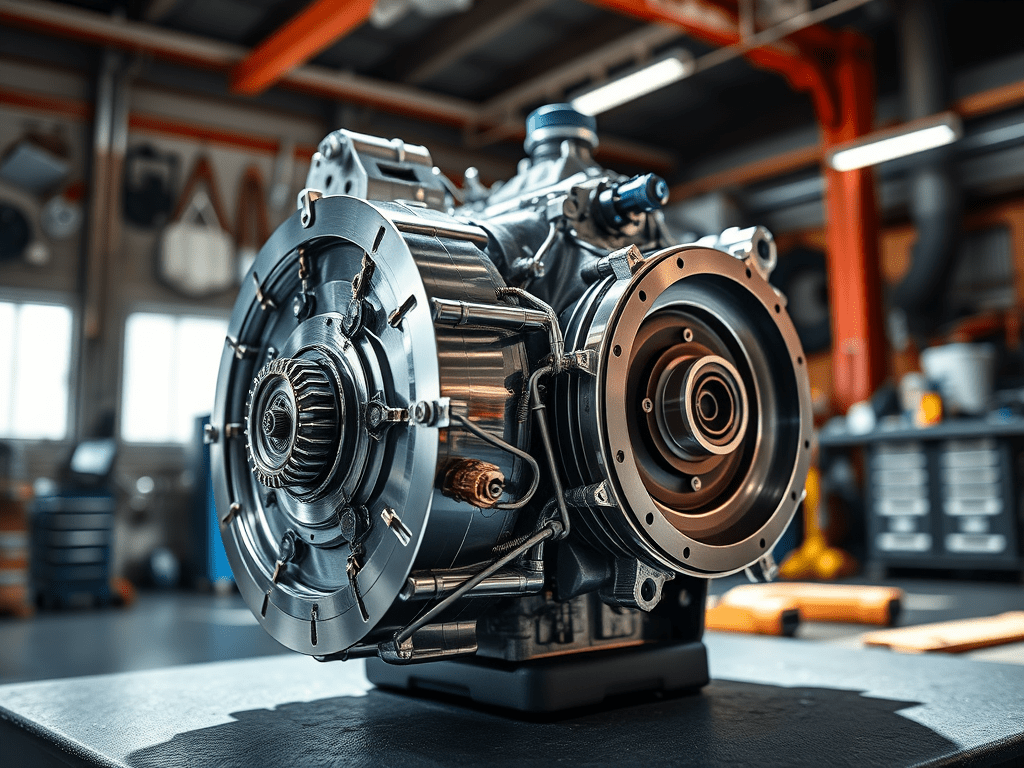
A ZF gearbox, known for its precision engineering and high-performance capabilities, is a key component in many modern vehicles, especially in those designed for heavy-duty use. Maintaining your ZF gearbox is crucial not only for optimal performance but also for extending the lifespan of your vehicle. In this article, we’ll guide you through the essential steps to ensure your ZF gearbox operates efficiently and continues to provide smooth, reliable performance.
Understanding the Importance of ZF Gearbox Maintenance
The ZF gearbox is renowned for its innovative design, offering smooth gear shifts, enhanced fuel efficiency, and reliable performance even under extreme conditions. Whether it’s in a passenger car, commercial vehicle, or heavy-duty machinery, the ZF gearbox plays a critical role in power transmission.
However, like any mechanical component, the gearbox requires proper maintenance to ensure it functions optimally. Regular maintenance not only helps in preventing major breakdowns but also saves you from costly repairs down the line.
1. Regular Fluid Checks and Changes
One of the most important aspects of maintaining a ZF gearbox is ensuring that the transmission fluid is clean and at the proper level. The fluid acts as both a lubricant and a coolant, reducing friction between the moving parts and preventing overheating.
Over time, the fluid can degrade or become contaminated, which could lead to performance issues or even gearbox failure. For optimal performance, you should:
-
Check the fluid level regularly, especially before long trips or if you notice any unusual noises.
-
Replace the fluid according to the manufacturer’s recommendations, typically every 30,000 to 60,000 miles, depending on your vehicle and the type of fluid used.
Make sure to use the correct type of fluid recommended by ZF to avoid any damage to the gearbox.
2. Monitoring Gear Shifts
Another critical factor in maintaining your ZF gearbox is paying attention to how it shifts gears. Smooth and precise shifting is one of the standout features of ZF gearboxes, and any issues with gear shifting can be a sign of underlying problems.
If you experience jerky or delayed shifting, it could indicate a problem with the fluid levels, a faulty sensor, or a more serious internal issue. Regularly testing the gearbox performance, especially when changing gears or under different driving conditions, will help you catch potential issues early.
3. Check for Leaks
Leaking fluid is a common sign of wear and tear in a ZF gearbox. If you notice puddles of fluid underneath your vehicle or a drop in the fluid level, you should inspect the gearbox for leaks. Over time, seals and gaskets can wear out, allowing fluid to escape, which can lead to overheating and even complete gearbox failure.
If you detect any leaks, it’s important to address the issue immediately by consulting a professional mechanic who specializes in ZF gearboxes. Regular inspections can help prevent damage and maintain optimal performance.
4. Regular Software Updates (For Modern ZF Gearboxes)
As technology continues to evolve, so does the complexity of ZF gearboxes. Many modern ZF gearboxes feature advanced electronic systems, including sensors and software controls that optimize gear shifting for maximum efficiency. If your vehicle has a newer ZF gearbox, it’s important to stay on top of software updates.
ZF regularly releases software updates that improve performance, address bugs, and ensure that the gearbox functions as intended. Failing to update the software can result in suboptimal performance and may even lead to system malfunctions.
Make sure to visit an authorized ZF service center to ensure your gearbox software is up to date. This simple step can greatly contribute to the longevity and efficiency of your ZF gearbox.
5. Drive Responsibly
Driving habits play a significant role in the longevity of your ZF gearbox. Aggressive driving, such as rapid acceleration, hard braking, and excessive load on the gearbox, can put unnecessary stress on the system, leading to premature wear.
For optimal gearbox health:
Avoid sudden acceleration or deceleration.
Drive at steady speeds and shift gears smoothly to reduce strain on the transmission.
When towing heavy loads, make sure to stay within the recommended towing capacity to prevent overloading the gearbox.
By driving responsibly, you’ll reduce the wear and tear on your gearbox and enhance its overall performance.
6. Get Regular Professional Inspections
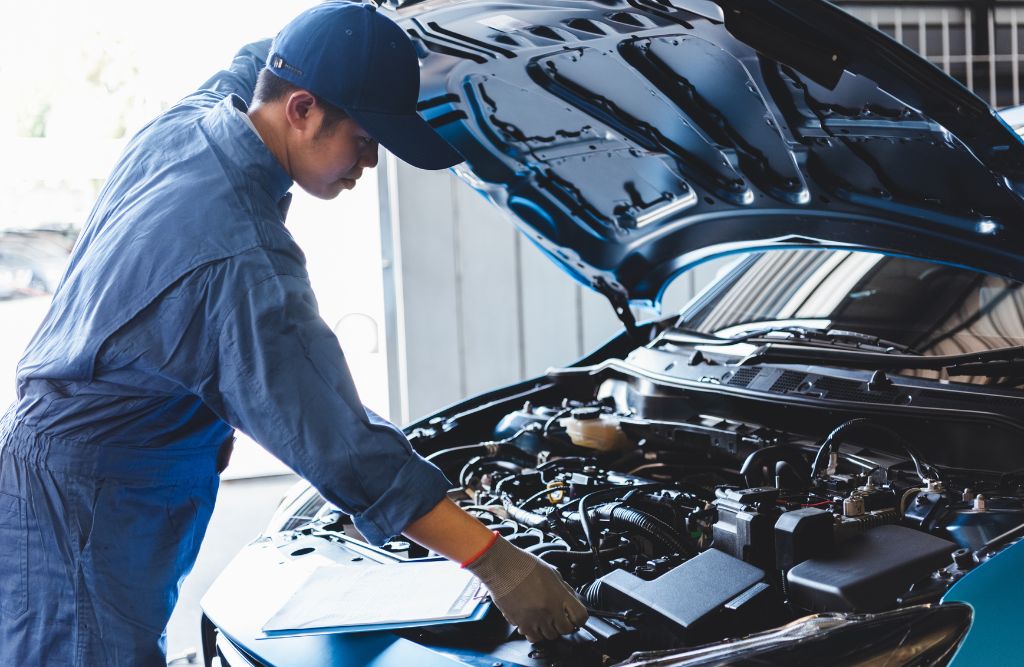
Even if you follow all the basic maintenance steps, it’s still important to have your ZF gearbox checked by a professional periodically. A skilled technician can identify early signs of wear or malfunction that may not be apparent to the untrained eye.
Annual inspections are recommended, especially if you use your vehicle in demanding conditions, such as off-roading or heavy hauling. A professional inspection will involve:
Inspecting the condition of seals and gaskets.
Checking for leaks or unusual vibrations.
Verifying the fluid condition and levels.
Testing the gearbox’s performance under load.
7. Maintaining the Cooling System
Since the gearbox operates under high pressure and temperature, it’s essential to maintain the cooling system as well. Overheating can lead to fluid breakdown and increased friction, both of which can cause significant damage to the gearbox.
If your ZF gearbox is equipped with a cooling system, make sure to inspect it regularly for any blockages or signs of wear. Ensure that the cooling system is functioning optimally to keep your gearbox at the right operating temperature.
8. Choose the Right Driving Mode
Many modern vehicles with ZF gearboxes offer different driving modes, such as Eco, Comfort, and Sport modes. These modes adjust the gearbox’s performance to match your driving style and conditions.
For instance, Eco mode reduces power and shifts earlier to maximize fuel efficiency, while Sport mode allows for more aggressive shifting. While driving in the appropriate mode for your situation, you can reduce strain on the gearbox and help preserve its condition.
Conclusion
The ZF gearbox is a robust and highly efficient component, but like all mechanical parts, it requires regular maintenance to perform at its best. By following the steps outlined above, including regular fluid checks, driving responsibly, and staying up to date with software updates, you can ensure your ZF gearbox continues to deliver excellent performance for years to come.
Remember, regular inspections and addressing minor issues early will prevent major repairs and keep your vehicle running smoothly. Your ZF gearbox is an investment in your vehicle’s overall performance—maintaining it properly will save you time, money, and hassle down the road.


 automotiveadvice.car.blog
Leave a comment