
Ever wondered what keeps your car moving smoothly from a standstill to highway speeds? Have you thought about the last time you had your transmission checked? Or perhaps you’ve asked yourself whether transmission service is actually necessary?
Your transmission is essentially the heart of your vehicle’s drivetrain. It’s working constantly, shifting gears and transferring power from the engine to the wheels. Yet, it’s one of those components many of us forget about until something goes wrong. And when something does go wrong? Well, let’s just say your wallet won’t thank you. A transmission replacement can cost anywhere from $3,000 to $8,000 in Australia – a hefty sum that proper maintenance could help you avoid.
In this guide, we’ll explore everything you need to know about transmission inspection and maintenance. You’ll discover how often you should service your transmission, what’s included in a professional service, and the warning signs that something’s not quite right. Whether you’re driving through Sydney’s stop-start traffic or tackling outback roads, understanding your transmission is key to keeping your vehicle running for years to come.
Understanding Your Car’s Transmission System
How Automatic Transmissions Work
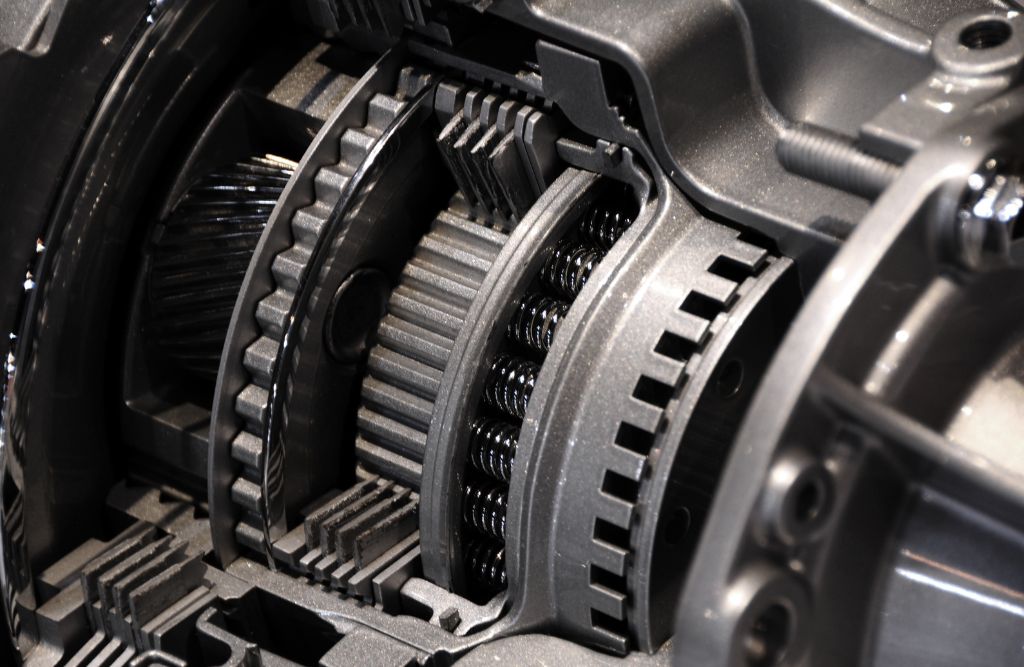
Your automatic transmission is a marvel of engineering. It uses a complex system of planetary gear sets, clutches, and hydraulic fluid to shift gears without any input from you. The transmission fluid plays a starring role here – it lubricates moving parts, cools the system, and actually helps transfer power through the torque converter.
Think of it like this: every time you accelerate, brake, or cruise along, your transmission is making split-second decisions. It’s constantly adjusting to deliver the right amount of power to your wheels. This non-stop work means components gradually wear down over time.
Manual vs Automatic: Key Differences in Maintenance Needs
Manual transmissions are generally simpler. They have fewer components and don’t rely as heavily on fluid for their operation. Automatic transmissions, on the other hand, demand more attention when it comes to car transmission maintenance.
Automatic gearboxes run hotter and work harder, particularly in Australian conditions. The fluid breaks down faster, and the internal components face more stress. This is precisely why understanding how often to service automatic transmission systems is so important for Aussie drivers.
How Often Should You Service Your Transmission?
Automatic Transmission Service Intervals: What Manufacturers Recommend
So, how often should you service your transmission? Most manufacturers recommend servicing your automatic transmission every 60,000 to 100,000 kilometres. However, this can vary significantly depending on your vehicle make and model. Always check your owner’s manual for specific guidance.
Some modern vehicles come with “lifetime” fluid that supposedly never needs changing. Take this with a grain of salt, though. Many mechanics suggest these claims are optimistic at best, especially given Australian driving conditions.
How Often Should an Automatic Gearbox Be Serviced?
For typical Australian drivers, getting your automatic gearbox serviced every 40,000 to 60,000 kilometres is a sensible approach. If you’re doing lots of city driving, towing, or travelling in extreme temperatures, you might want to service it even more frequently.
The automatic transmission service interval isn’t set in stone. It’s a guideline that should be adjusted based on how and where you drive. Being proactive here can save you thousands down the track.
Factors That Affect How Often to Service Automatic Transmission
Several factors influence your service schedule:
– Driving conditions in Australia: City driving with constant stopping and starting puts more stress on your transmission than highway cruising. Outback driving in extreme heat accelerates fluid breakdown.
– Vehicle age and mileage: Older vehicles with higher kilometres typically need more frequent attention.
– Towing and heavy load usage: If you’re regularly towing a caravan or carrying heavy loads, your transmission works overtime. Consider servicing every 30,000 kilometres in these cases.
Is Transmission Service Necessary? The Truth About Skipping Maintenance
What Happens When You Neglect Auto Gearbox Maintenance
Is transmission service necessary? Absolutely. Skipping auto gearbox maintenance is a bit like never changing your engine oil. The fluid degrades, loses its lubricating properties, and becomes contaminated with tiny metal particles from normal wear.
Over time, this leads to increased friction and heat. Components start wearing faster. Seals can harden and leak. The transmission begins slipping, shifting roughly, or hesitating. Eventually, complete failure becomes a real possibility.
The Real Cost of Ignoring Car Transmission Maintenance
Let’s break down the numbers. A standard transmission service costs between $150 and $400 in Australia. A transmission rebuild? That’ll set you back $2,000 to $4,000. A full replacement? You’re looking at $3,000 to $8,000 or more.
Beyond the financial hit, there’s the inconvenience. Being stranded with a failed transmission is stressful and potentially dangerous. Regular maintenance is genuinely the cheaper, smarter option.
Does Changing Transmission Fluid Improve Performance?
Signs Your Transmission Fluid Needs Attention
Does changing transmission fluid improve performance? In many cases, yes. But first, how do you know your fluid needs attention?
Check the colour and smell. Fresh fluid is typically bright red and has a slightly sweet smell. If it’s dark brown or black and smells burnt, it’s well past its prime. Other signs include difficulty shifting, transmission slipping, or unusual noises.
Performance Benefits of Fresh Transmission Fluid
Fresh fluid brings several benefits:
– Smoother, more responsive gear changes
– Better fuel efficiency
– Reduced operating temperatures
– Extended component life
– Quieter operation
Many drivers notice an immediate improvement in how their car feels after a fluid change. Shifts become crisper, and that sluggish feeling disappears.
When a Fluid Change Might Cause Problems
Here’s a word of caution. On very high-mileage vehicles that have never had their fluid changed, a sudden fluid replacement can sometimes cause issues. The old, dirty fluid may actually be helping worn seals function. Fresh fluid can wash away deposits that were plugging small leaks.
If your vehicle has extremely high kilometres and unknown service history, chat with a qualified mechanic before proceeding. They can advise on the best approach.
What’s Included in a Professional Transmission Service?
Fluid Flush vs Fluid Change: Which Do You Need?
There’s often confusion between a fluid flush and a fluid change. A fluid change drains the old fluid from the pan (about 40-50% of total fluid) and replaces it with fresh fluid. A flush uses a machine to push all the old fluid out, replacing close to 100%.
Which do you need? Regular fluid changes are usually sufficient for well-maintained vehicles. Flushes can be beneficial for neglected transmissions but aren’t always recommended – particularly for older vehicles.
Filter Replacement and Component Inspection
A thorough transmission service includes:
– Draining and replacing transmission fluid
– Replacing the transmission filter
– Inspecting the pan for metal shavings or debris
– Checking for leaks
– Inspecting gaskets and seals
– Examining the overall condition of transmission components
This inspection element is crucial. It can catch developing problems before they become major failures.
Warning Signs Your Transmission Needs Immediate Attention
Sounds, Smells and Sensations to Watch For
Pay attention to these warning signs:
–Grinding or whining noises when changing gears
– Burning smell coming from your vehicle
– Slipping gears – engine revs but the car doesn’t accelerate
– Delayed engagement when shifting from park to drive
– Rough or jerky shifts
– Vibrations during acceleration
If you notice any of these, don’t ignore them. Early intervention can prevent expensive repairs.
Dashboard Warning Lights and What They Mean
Modern vehicles have warning systems for a reason. If your check engine light or transmission warning light illuminates, get it checked promptly. These lights indicate the car’s computer has detected an issue.
A diagnostic scan can reveal trouble codes that pinpoint the problem. Addressing issues early often means simpler, cheaper fixes.
DIY vs Professional Car Transmission Maintenance
What You Can Check at Home
Some basic checks are perfectly manageable at home:
– Checking fluid level and condition (on vehicles with dipsticks)
– Looking for leaks under your car
– Monitoring how your transmission feels and sounds
– Keeping track of service intervals
Why Professional Inspections Matter
However, transmission service how often you do it yourself doesn’t replace professional inspections. Mechanics have specialised equipment, diagnostic tools, and expertise to spot problems you might miss.
They can also identify issues before they become apparent through normal driving. This preventative approach is what truly extends your vehicle’s life.
How Regular Transmission Service Extends Vehicle Longevity
Regular transmission service is one of the best investments you can make in your vehicle’s longevity. Fresh fluid keeps everything running smoothly. Clean filters prevent contamination. Professional inspections catch problems early.
Vehicles with well-maintained transmissions regularly exceed 300,000 kilometres. Those that are neglected often face expensive repairs well before reaching that milestone. The choice seems pretty clear, doesn’t it?
Protecting Your Investment with Routine Care
Your vehicle represents a significant investment. Regular transmission inspection and routine maintenance help protect that investment while ensuring reliable and safe transport for you and your family.
We’ve covered a lot of ground today—from understanding how your transmission works to recognising the early warning signs of trouble. The key takeaway? Don’t wait until something goes wrong. Scheduling a timely transmission inspection can identify minor issues early, saving you from costly and unexpected repairs down the road.
So, when did you last have your transmission checked? If you can’t remember, it’s probably time to book a professional transmission inspection. Your car—and your wallet—will thank you for it. Take care of your transmission, and it will take care of you for many kilometres to come.







 automotiveadvice.car.blog
Leave a comment