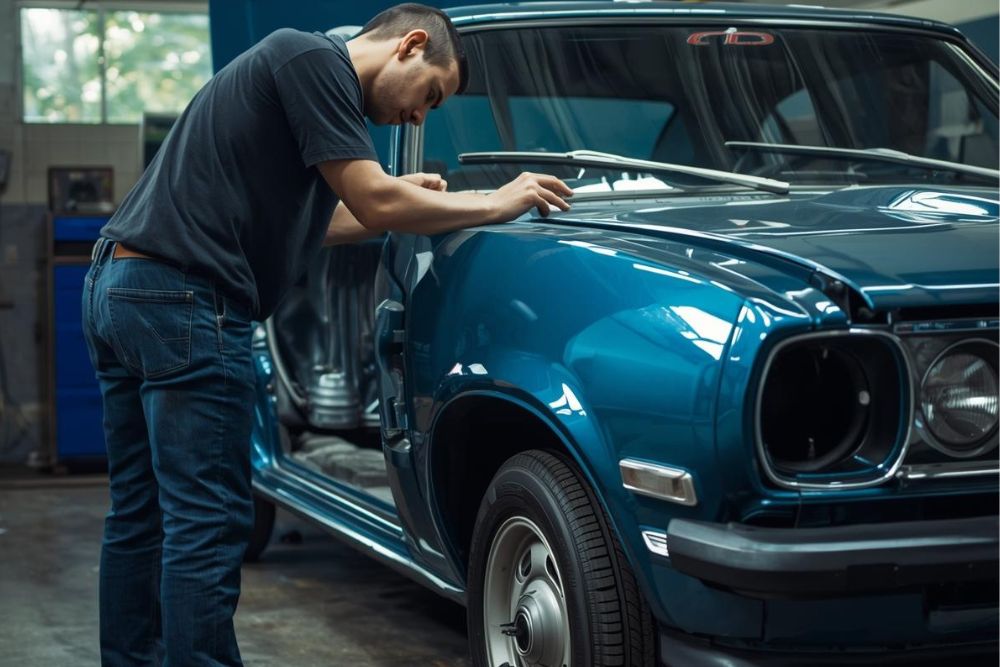
Ever found yourself staring at a dented car door, wondering how much it’s going to set you back? Or maybe you’ve received a quote from a panel beater that left you scratching your head, unsure if it’s fair or daylight robbery? You’re definitely not alone. Navigating the world of automotive repair prices can feel overwhelming, especially when you’re already stressed about your damaged vehicle.
Here’s the thing – understanding how to evaluate repair costs properly can save you hundreds, sometimes thousands, of dollars. Whether you’re dealing with a minor scratch or significant collision damage, knowing what to look for in a bodywork repair estimate puts you in the driver’s seat. Plus, it helps you avoid dodgy operators who might try to overcharge you.
In this guide, we’ll walk you through everything you need to know about assessing panel beater repair costs. From understanding what influences pricing to getting multiple quotes and spotting red flags, you’ll learn how to take control of your car repair budget. We’ll also cover regional differences across Australia, including insights for car mechanics in Brisbane, Gold Coast, Canberra, and beyond. Let’s get stuck into it!
What Factors Influence Panel Beating Costs and Automotive Repair Prices?
Before you can evaluate whether a quote is reasonable, you need to understand what goes into calculating panel beating costs. Several factors play a role, and knowing these helps you ask the right questions.
Labour rates make up a significant portion of your bill. Car mechanic labour rates vary wildly depending on location and expertise. A motor mechanic near me in a metropolitan area typically charges more than one in a regional town. In Australia, expect anywhere from $80 to $150 per hour, depending on where you’re located.
Parts and materials also impact your cost estimate significantly. You’ll often choose between OEM (original equipment manufacturer) parts and aftermarket alternatives. OEM parts come directly from your car’s manufacturer and usually cost more. Aftermarket parts can be just as good but are generally cheaper. Your panel beater should discuss these options with you.
Finally, the severity of damage and your vehicle’s make, model, and age all factor in. Luxury European cars cost more to repair than common Japanese models, simply because parts are pricier and labour requires specialist knowledge. Older vehicles might have discontinued parts, making repairs trickier and potentially more expensive.
How to Get an Accurate Bodywork Repair Estimate
Getting a reliable panel beating estimate price requires a bit of legwork, but it’s worth the effort. Don’t just accept the first quote you receive – that’s a rookie mistake.
What Should a Quote Include?
A proper quote should itemise everything: labour costs, parts, materials, and any additional fees. If a panel beater hands you a vague estimate without breakdown details, that’s a warning sign. You want transparency so you can compare apples with apples.
How Many Quotes Should You Get?
Aim for at least three quotes from different auto repair nearby options. This gives you a solid baseline for comparison. When visiting shops, whether it’s fix it auto repair, tk auto repair, or auto tech car repair, bring photos of the damage and be consistent in describing the problem.
Questions to Ask
Don’t be shy about asking questions. Enquire about their experience with your vehicle type, warranty on repairs, and expected completion time. A trustworthy mechanic welcomes questions rather than brushing them off.
Understanding the Cost of Panel Beating a Car Door and Common Repairs
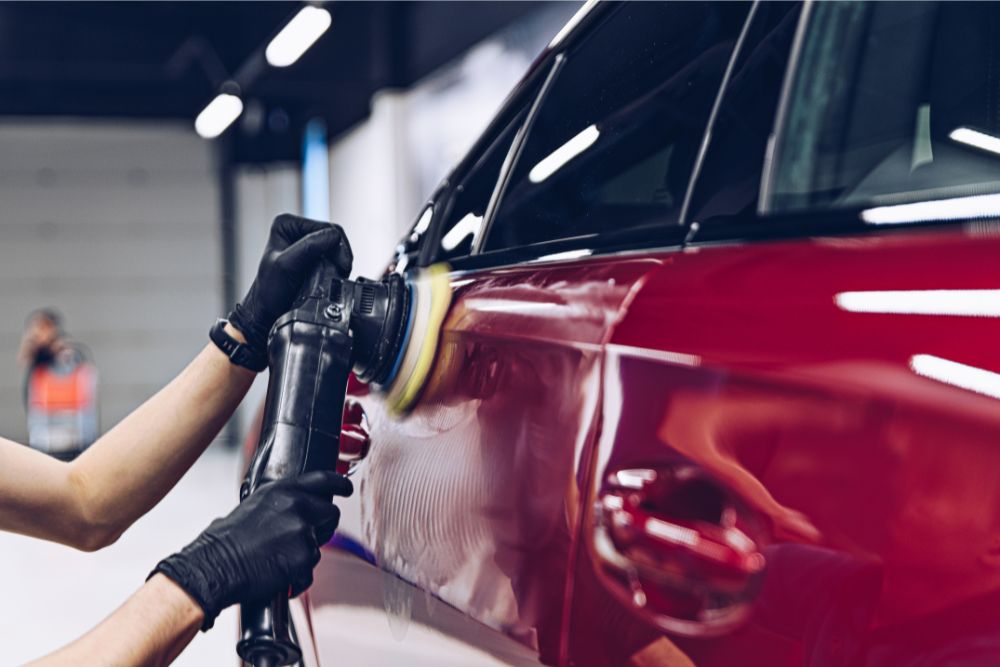
Let’s talk numbers. The cost of panel beating a car door in Australia typically ranges from $200 for minor dents to over $1,500 for severe damage requiring replacement. Average panel beating costs vary based on repair complexity.
Minor dent repair using paintless dent removal (PDR) is usually the most affordable option, often costing between $100 and $300. This technique works brilliantly for small dings without paint damage.
Major collision damage is another story entirely. If panels need replacing, paint matching, and structural work, you’re looking at significantly higher costs. Bumper repairs, for instance, range from $300 for minor scratches to $1,500 or more for full replacements.
Keep in mind that these are averages. Your actual quote might differ based on the factors we discussed earlier. That’s why getting multiple estimates remains so important.
How to Compare Car Repair Labour Rates Across Different Mechanics
Car repair labor rates aren’t standardised, so comparing them requires attention to detail. What are typical car mechanic labour rates in Australia? Generally, you’ll see rates between $80 and $150 per hour, but this varies considerably.
Regional price differences play a huge role. A car mechanic in Dandenong might charge differently than car mechanics in Mackay or a Caloundra mechanic. Metropolitan areas like Sydney and Melbourne tend to have higher overheads, pushing rates up.
Looking at specific cities: car mechanics Brisbane typically charge between $90 and $130 per hour. Gold Coast car mechanics and car mechanic Gold Coast options fall within similar ranges. Car mechanic Canberra rates hover around the same bracket. Meanwhile, places like Welshpool auto repairs or mechanic Liverpool shops might offer more competitive pricing due to lower operating costs.
When comparing, don’t just look at hourly rates. Consider the estimated hours for your job. A cheaper hourly rate means nothing if the mechanic quotes double the time needed.
Red Flags: How to Spot an Unreliable Repair Estimate
Not all quotes are created equal, and some should send you running in the opposite direction. Learning to spot red flags protects your wallet and your vehicle.
Quotes that seem too good to be true usually are. If one estimate comes in dramatically lower than others, question why. They might be using inferior parts, cutting corners, or planning to hit you with hidden fees later.
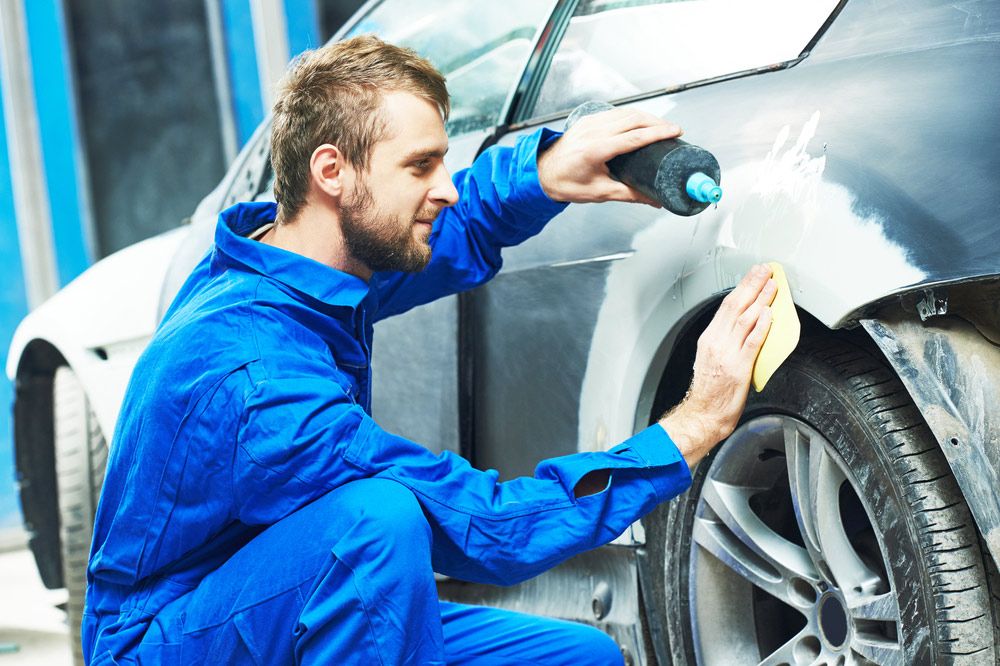
Hidden fees and unexpected charges are unfortunately common with dodgy operators. Always ask whether the quote is fixed or an estimate subject to change. Get clarity on what happens if additional damage is discovered during repairs.
Lack of transparency is perhaps the biggest red flag. If a mechanic can’t explain their pricing or gets defensive when you ask questions, take your business elsewhere. Reputable shops like modern auto repair businesses or established names like Wilkinson auto repair welcome scrutiny because they’ve got nothing to hide.
Step-by-Step Guide to Cost Estimating for Your Vehicle Repairs
Ready to tackle cost estimation like a pro? Follow these five steps for confident decision-making.
Step 1: Document the damage thoroughly. Take clear photos from multiple angles. Note any visible issues like scratches, dents, or misalignment. This documentation helps when comparing quotes and prevents miscommunication.
Step 2: Research average costs online. Before visiting shops, get a ballpark figure for your type of repair. Construction cost estimates principles apply here – understanding the market helps you identify outliers.
Step 3: Visit reputable auto repair shops for quotes. Whether you’re near auto repair nearby options or need to travel, in-person assessments provide the most accurate estimates. Online quotes have their place, but nothing beats a professional inspection.
Step 4: Compare and negotiate. Once you have multiple quotes, analyse them side by side. Don’t be afraid to mention that you’ve received lower estimates elsewhere. Many mechanics will match or beat competitors’ pricing.
Step 5: Get everything in writing. Before authorising any work, ensure you have a written quote detailing all costs. This protects you if disputes arise later.
Should You Claim on Insurance or Pay Out of Pocket?
This decision trips up many car owners. Sometimes claiming on insurance makes sense; other times, paying out of pocket is smarter.
When does it make financial sense to claim? Generally, if repair costs exceed your excess by a significant margin, claiming is worthwhile. However, for minor repairs costing a few hundred dollars, paying yourself often saves money long-term.
Why? Because claims affect your premium. Even not-at-fault claims can impact your insurance costs for years. Calculate the total cost of increased premiums versus the repair bill. Often, you’ll find absorbing smaller repair costs yourself is the financially savvier move.
How to Find a Trustworthy Car Mechanic or Panel Beater
Finding reliable help isn’t just about price – it’s about trust and quality. Here’s what to look for when searching for a car mechanic or panel beater.
Reviews and certifications matter. Check Google reviews, ask friends for recommendations, and verify qualifications. Established businesses with consistent positive feedback are generally safer bets.
Specialist versus general mechanics is another consideration. For complex panel beating work, specialists typically deliver better results. However, general mechanics handle routine repairs perfectly well and often charge less.
Word of mouth remains powerful in Australia. If your neighbour had a great experience with their local panel beater, that recommendation carries weight.
Taking Control of Your Car Repair Budget
Evaluating repair costs doesn’t have to feel like solving a mystery. By understanding what influences panel beating costs, gathering multiple quotes, and knowing what red flags to watch for, you’re equipped to make informed decisions.
Remember, the cheapest option isn’t always the best, and the most expensive doesn’t guarantee quality. Look for transparency, clear communication, and a track record of satisfied customers. Whether you’re dealing with car mechanics in Brisbane, seeking a motor mechanic near me, or comparing auto repair nearby options, these principles apply universally.
You’ve got this! Armed with the knowledge from this guide, you can confidently navigate your next repair experience, knowing you’re getting fair value for your money. Don’t be afraid to ask questions, negotiate, and walk away from deals that don’t feel right. Your car – and your wallet – will thank you.


 automotiveadvice.car.blog
Leave a comment