Ever wondered why your mate’s car seems to run forever while yours keeps breaking down? Have you found yourself staring at a hefty repair bill, thinking “how did it get this bad?” Or perhaps you’ve questioned whether those routine services are really worth the cash?
Here’s the thing – regular vehicle maintenance isn’t just about keeping your car running smoothly. It’s actually one of the smartest financial decisions you can make as a car owner. While it might feel like you’re constantly shelling out for oil changes and tyre rotations, these small investments genuinely protect you from the wallet-crushing repairs that catch so many drivers off guard.
In this guide, we’ll explore exactly how staying on top of your car’s needs saves you serious money in the long run. You’ll discover which maintenance tasks matter most, learn how to spot problems before they become expensive disasters, and find out whether it’s cheaper to maintain your current vehicle or trade up for something newer. We’ll also look at DIY options versus professional servicing, average maintenance costs in Australia, and how a full service history affects your car’s resale value. By the end, you’ll have everything you need to create a realistic maintenance plan that keeps both your car and your bank account in great shape.
What Is Regular Vehicle Maintenance?
Essential Maintenance Tasks Every Car Owner Should Know
Regular vehicle maintenance covers all those routine checks and services that keep your car operating at its best. Think of it as preventative healthcare for your vehicle. Just as you wouldn’t skip your annual check-up, your car needs consistent attention to stay healthy.
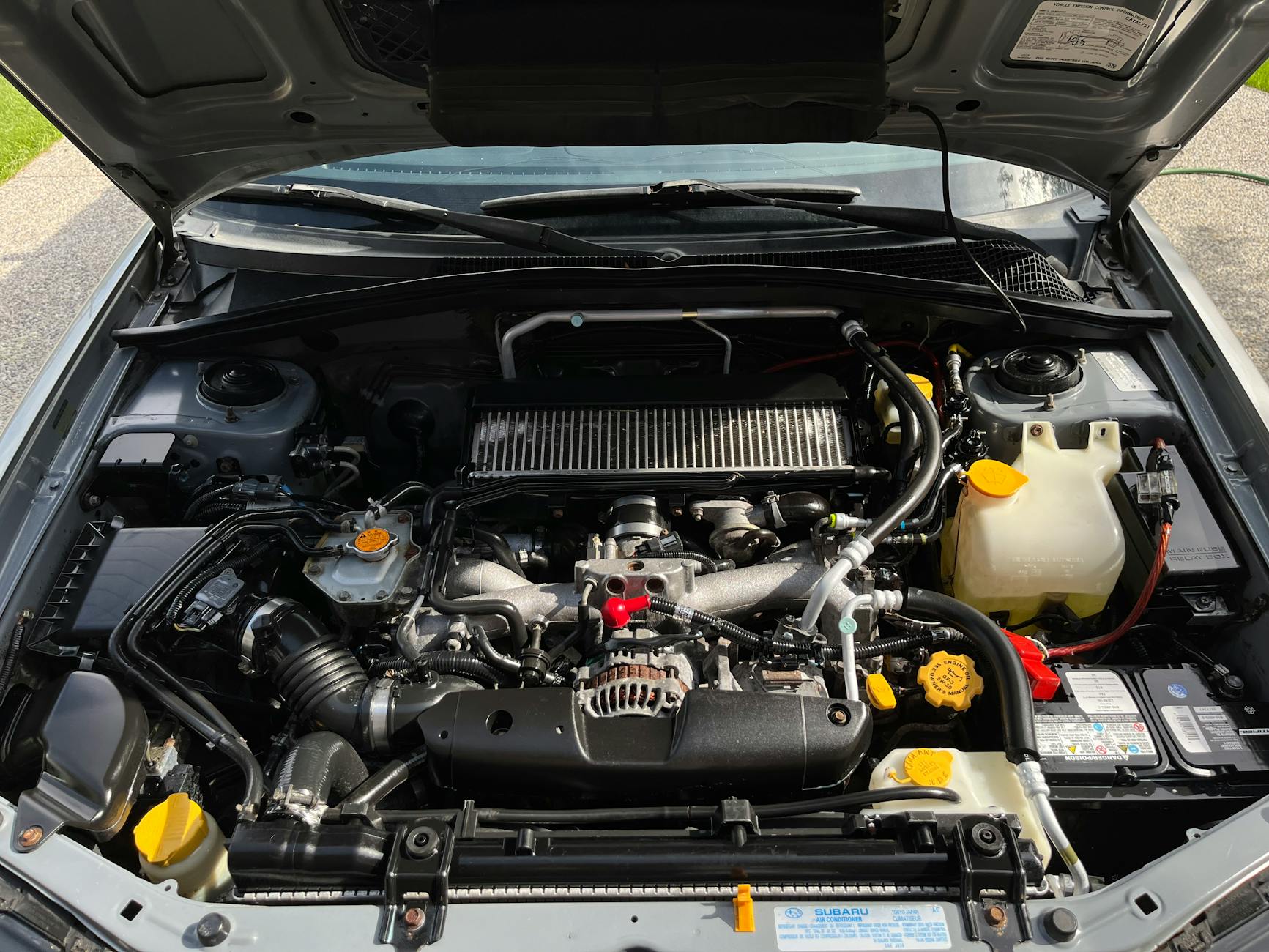
The essentials include oil and filter changes, which keep your engine lubricated and running cleanly. Tyre rotations and pressure checks help ensure even wear and safe handling. Brake inspections catch worn pads before they damage rotors. Plus, fluid top-ups – coolant, brake fluid, transmission fluid – prevent overheating and component failure.
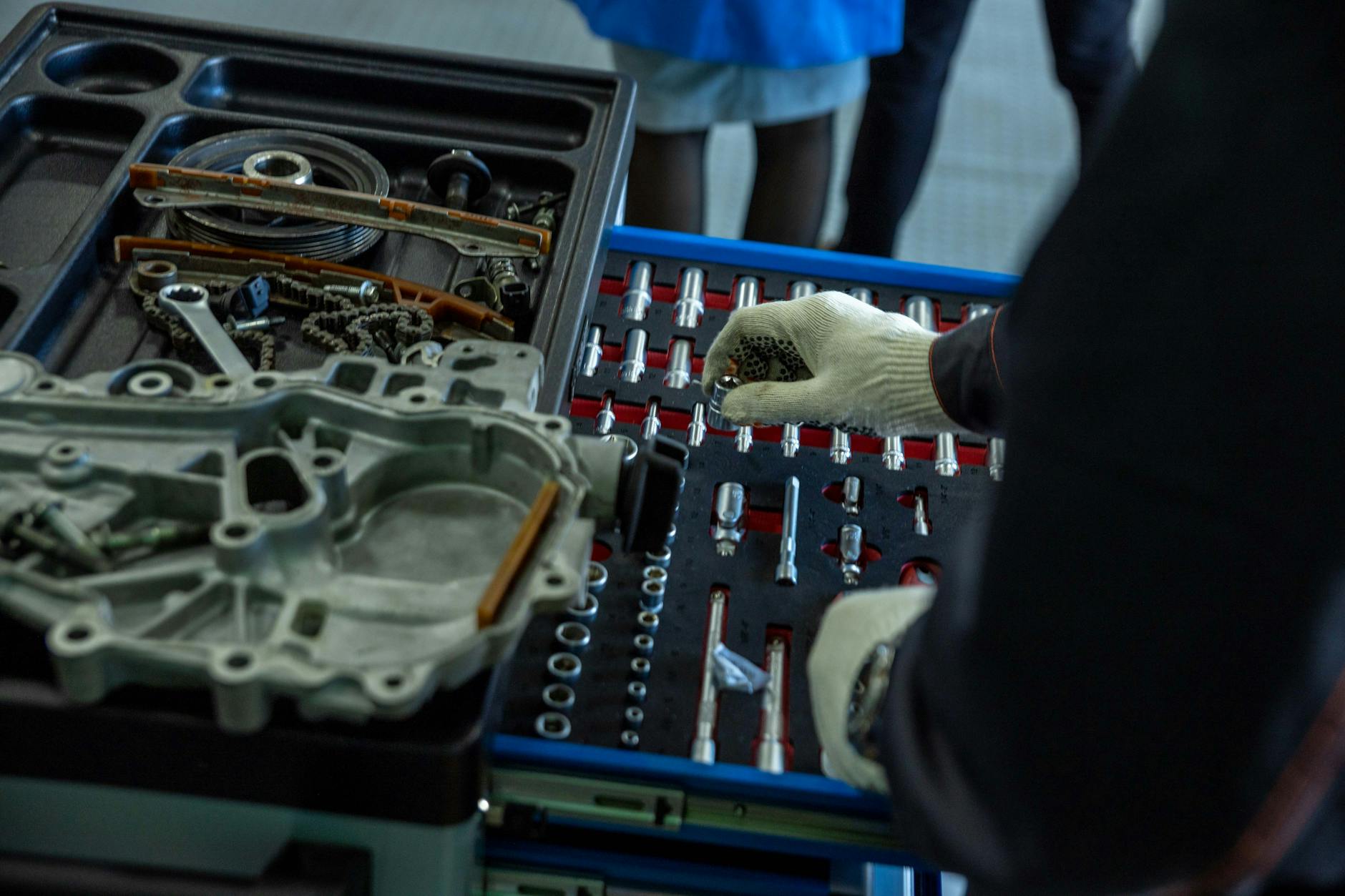
Beyond these basics, regular maintenance also involves replacing air filters, checking belts and hoses, inspecting the battery, and keeping an eye on your spark plugs. Each of these small tasks contributes to your car’s overall performance and longevity.
How Often Should You Service Your Car?
Most manufacturers recommend a full service every 12 months or 10,000-15,000 kilometres, whichever comes first. However, this varies depending on your vehicle’s age, make, and how you drive it.
If you’re doing lots of short trips or stop-start city driving, your car works harder and may need more frequent attention. On the other hand, highway cruisers might stretch intervals slightly. Your owner’s manual is your best friend here – it contains the manufacturer’s specific recommendations for your model.
Between major services, keep an eye on warning lights, unusual sounds, and changes in how your car handles. These early signals often point to minor issues that are cheap to fix now but expensive to ignore.
How Does Regular Car Maintenance Save You Money?
Preventing Expensive Repairs Before They Happen
The biggest money-saver from regular maintenance is catching small problems before they snowball. A squeaky belt replaced for $50 today could prevent a $2,000 engine repair tomorrow. A simple coolant flush might save you from a catastrophic overheating incident that destroys your head gasket.
During routine services, mechanics inspect components that you’d never think to check. They spot wear patterns, leaks, and potential failures that aren’t obvious to untrained eyes. This early detection is incredibly valuable.
Consider your timing belt – it might cost $300-$800 to replace on schedule, but if it snaps while you’re driving? You’re looking at thousands in engine damage. Regular maintenance transforms these ticking time bombs into manageable, planned expenses.
Extending Your Vehicle’s Lifespan
A well-maintained car can easily last 200,000 kilometres or more. Neglected vehicles often start having serious problems around the 100,000 mark. That’s the difference between getting five extra years from your investment or facing a premature replacement.
Clean oil protects your engine from wear. Fresh coolant prevents corrosion. Properly inflated tyres reduce strain on suspension components. Each maintenance task adds life to your vehicle’s systems.
When you spread the original purchase price over additional years of ownership, the cost per year drops significantly. That’s real money back in your pocket.
Maintaining Fuel Efficiency and Reducing Running Costs
A dirty air filter, underinflated tyres, or gunked-up fuel injectors all force your engine to work harder. This translates directly to higher fuel consumption. With petrol prices in Australia fluctuating wildly, fuel efficiency matters more than ever.
Regular maintenance keeps everything operating efficiently. Clean spark plugs ensure proper combustion. Fresh oil reduces engine friction. Properly aligned wheels don’t drag. These factors combine to keep your fuel costs as low as possible.
Even a 10% improvement in fuel efficiency adds up over thousands of kilometres each year. That’s potentially hundreds of dollars saved annually.
What Happens If You Don’t Maintain Your Car Regularly?
Common Problems Caused by Skipped Services
Neglecting maintenance creates a domino effect of problems. Old oil becomes sludgy and acidic, damaging engine internals. Worn brake pads grind into rotors, turning a $200 job into an $800 one. Ignored coolant leaks lead to overheating and warped components.
Other common issues include:
– Failed water pumps from neglected coolant changes
– Transmission problems from dirty fluid
– Battery failure from corroded terminals
– Steering issues from worn suspension components
– Electrical gremlins from degraded connections
These problems rarely announce themselves politely. They typically appear at the worst possible moment – on a hot day, far from help, when you can least afford the repair.
Real-World Costs: Minor Neglect vs Major Repairs
Let’s put some numbers to this. An oil change costs around $100-$150. Engine replacement? $3,000-$7,000 or more. A brake service runs about $250-$400 per axle. Replacing warped rotors and callipers? Easily $1,000+.
Timing belt replacement: $300-$800. Fixing the damage when it snaps: $2,000-$5,000. Coolant flush: $100-$150. Head gasket repair after overheating: $1,500-$3,000.
The pattern is clear. Spending small amounts regularly prevents enormous bills later.
Is It Cheaper to Maintain an Old Car or Buy a New One?
When Maintenance Makes Financial Sense
Generally, maintaining a paid-off vehicle is cheaper than taking on new car payments. Even if you’re spending $2,000-$3,000 annually on maintenance and repairs, that’s still less than most monthly car loan repayments multiplied by twelve.
The key is tracking your costs. If your annual maintenance expenses consistently stay below what you’d pay for a replacement vehicle (including registration, insurance increases, and depreciation), keep maintaining.
Older cars also have lower insurance premiums and registration costs. Plus, you know your vehicle’s history – something you can never fully trust with a used purchase.
Signs It’s Time to Consider Replacement
However, there comes a point when repairs stop making sense. Watch for these warning signs:
– Major component failures (transmission, engine) on high-kilometre vehicles
– Repair costs exceeding 50% of the car’s value
– Safety concerns that can’t be reasonably addressed
– Increasing frequency of breakdowns affecting your reliability
When repairs become unpredictable and expensive, the stress and inconvenience often outweigh the savings of keeping your old car going.
DIY Maintenance vs Professional Servicing: Which Saves More?
Simple Tasks You Can Do at Home
Many basic maintenance tasks require minimal tools and experience. Checking and topping up fluids is straightforward. Replacing air filters takes minutes. Changing wiper blades is simple. Checking tyre pressure costs nothing but time.
With some YouTube tutorials and basic tools, you can also tackle oil changes, battery replacement, and brake pad swaps. These DIY efforts save significant money on labour costs.
When to Leave It to the Professionals
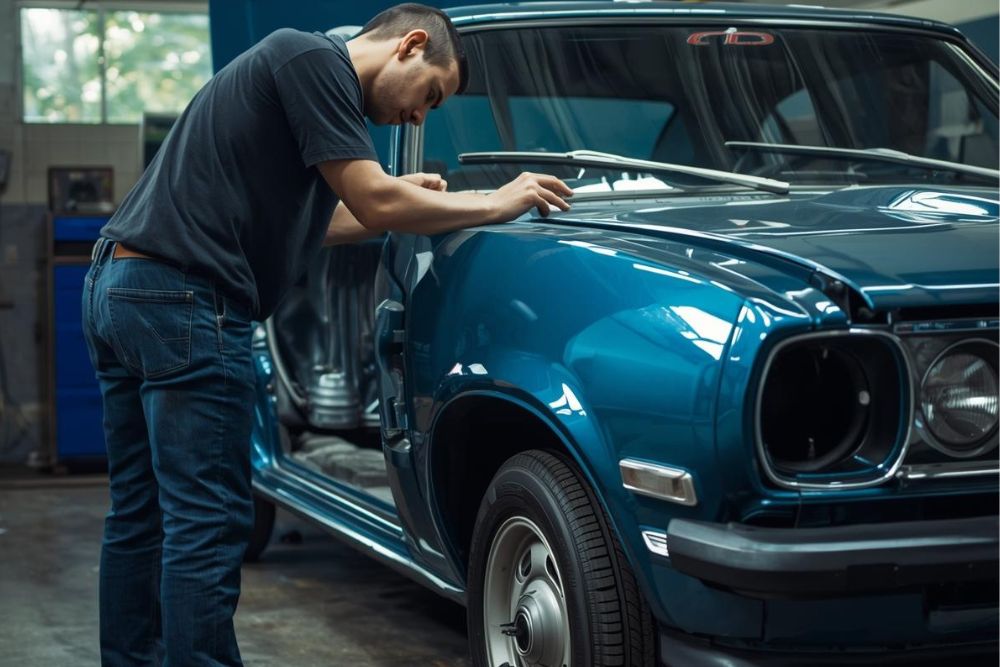
Complex work involving computer diagnostics, timing components, transmission, or safety systems should go to qualified mechanics. Mistakes here can be costly or dangerous. Professional servicing also provides documented service history, which matters for warranty and resale purposes.
Finding a trustworthy local mechanic – rather than always going to dealerships – offers a good balance of expertise and value.
How Much Should Car Maintenance Cost Per Year?
Average Maintenance Costs in Australia
Australian drivers typically spend $1,500-$2,500 annually on maintenance for vehicles under warranty. Older cars might cost $2,000-$4,000 depending on age and condition. Luxury and European vehicles often run higher due to parts costs.
Creating a Realistic Car Maintenance Budget
Set aside approximately $150-$250 monthly for vehicle maintenance. This covers routine services plus creates a buffer for unexpected repairs. Having this fund prevents maintenance from becoming a financial emergency.
Does Regular Servicing Affect Resale Value?
The Importance of a Full Service History
A complete service history can add thousands to your car’s resale value. Buyers pay premiums for vehicles with documented maintenance because they’re buying certainty about the car’s condition.
How Buyers Assess Vehicle Condition
Savvy buyers check service books, request receipts, and look for signs of neglect. Missing records raise red flags that lead to lower offers or lost sales entirely.
Seasonal Maintenance Tips to Avoid Costly Breakdowns
Before summer, check your cooling system and air conditioning. Before winter, test your battery and inspect tyres. Spring and autumn are perfect for general services. Seasonal attention prevents weather-related breakdowns when you need your car most.
Invest a Little Now, Save a Lot Later
Regular vehicle maintenance isn’t an expense – it’s an investment that pays genuine returns. By staying on top of routine services, you prevent expensive repairs, extend your car’s lifespan, maintain fuel efficiency, and protect your resale value.
The numbers simply don’t lie. Spending a few hundred dollars on scheduled maintenance saves thousands in avoided repairs. A well-maintained vehicle lasts years longer, spreading your purchase cost over more ownership time. That’s smart money management.
So, here’s my advice: find a trusted mechanic experienced in transmission repairs, follow your service schedule, and set aside a monthly maintenance fund. Your future self – the one who isn’t stranded on the roadside or staring at a massive repair bill – will thank you. Regular maintenance isn’t about being obsessive with your car; it’s about being sensible with your money.




 automotiveadvice.car.blog
Leave a comment