
Ever wondered what’s really going on inside your automatic transmission? Have you noticed your car shifting a bit roughly lately, or perhaps the gearbox feels sluggish when you’re pulling away from traffic lights? If these questions are crossing your mind, you’re not alone. Many Australian drivers overlook their automatic transmission until something goes wrong, and by then, the repair bill can be eye-watering.
Your automatic transmission is one of the hardest-working components in your vehicle. It’s constantly shifting, adjusting, and managing power delivery while you focus on the road ahead. Yet despite its crucial role, transmission maintenance often falls to the bottom of the to-do list. The good news? Servicing your automatic transmission isn’t as complicated as you might think, and it can save you thousands in potential repairs down the track.
In this guide, we’ll walk you through everything you need to know about automatic transmission servicing. From understanding what the service involves to a detailed step-by-step process you can follow at home, we’ve got you covered. Whether you’re a seasoned DIY mechanic or someone who’s never lifted a bonnet, you’ll find practical advice to keep your transmission running smoothly for years to come.
What Is an Automatic Transmission Service?
Understanding How Your Automatic Transmission Works
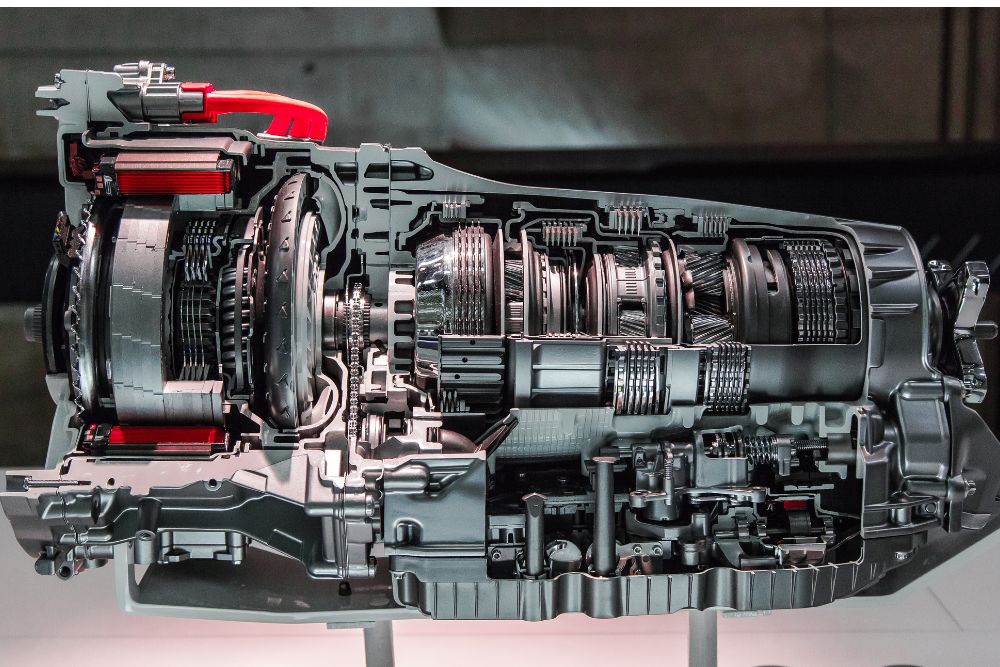
Your automatic transmission is essentially a complex hydraulic system that uses fluid pressure to change gears without any input from you. Inside, you’ll find a torque converter, planetary gear sets, clutch packs, and a valve body all working together in harmony. The transmission fluid acts as both a lubricant and a hydraulic medium, making it absolutely vital to the system’s operation.
Over time, this fluid breaks down from heat and friction. Metal particles from normal wear contaminate it, and its protective properties diminish. When the fluid degrades, your transmission works harder, runs hotter, and wears out faster. A transmission service replaces this tired fluid with fresh stuff, giving your gearbox a new lease on life.
Transmission Service vs Transmission Flush: What’s the Difference?
A standard transmission service involves draining the fluid from the pan, replacing the filter, and refilling with new fluid. This typically replaces about 40-50% of the total fluid in the system. A transmission flush, on the other hand, uses a machine to push new fluid through the entire system, replacing nearly all the old fluid.
While a flush sounds more thorough, it’s not always the better option. For high-mileage vehicles or those with neglected transmissions, a flush can dislodge debris and cause blockages. Most mechanics recommend a standard service for regular maintenance, saving flushes for specific situations.
How Often Should You Service Your Automatic Transmission?
Manufacturer Recommendations
Most vehicle manufacturers suggest servicing your automatic transmission every 60,000 to 100,000 kilometres. However, this varies significantly between makes and models. Some newer vehicles claim to have “lifetime” fluid that never needs changing take this with a grain of salt. In Australia’s harsh conditions, with our stop-start city traffic and scorching summers, your transmission works overtime.
Check your owner’s manual for specific intervals, but don’t be afraid to service more frequently if you regularly tow, drive in heavy traffic, or live in particularly hot regions. These conditions accelerate fluid breakdown considerably.
Signs Your Transmission Needs Servicing Sooner
Keep an eye out for warning signs that your transmission needs attention before the scheduled service interval. Delayed engagement when shifting from park to drive, rough or jerky gear changes, and slipping between gears all indicate potential problems. A burning smell or discoloured fluid (it should be bright red, not brown or black) are also red flags.
Strange noises like whining, humming, or clunking when the transmission shifts warrant immediate investigation. Catching these issues early can mean the difference between a simple service and a major rebuild.
Can I Service My Automatic Transmission Myself?
DIY vs Professional Service: Weighing Your Options
Servicing your automatic transmission at home is entirely achievable for most competent DIYers. The process is straightforward drain, clean, replace filter, refill. You’ll save a decent amount on labour costs, and there’s satisfaction in maintaining your own vehicle.
That said, professional mechanics have specialised equipment and expertise. They can spot potential issues you might miss and ensure the correct fluid type and quantity. For older vehicles or those with existing transmission concerns, professional service might be the wiser choice.
Skill Level and Tools Required
You’ll need basic mechanical skills and comfort working underneath your vehicle. If you’ve changed your own oil before, a transmission service isn’t dramatically more difficult. The main challenges are accessing the transmission pan (which may require removing components) and correctly measuring fluid levels.
What You’ll Need: Tools and Materials Checklist
Choosing the Right Transmission Fluid for Your Vehicle
Using the correct transmission fluid is non-negotiable. Different transmissions require specific fluid types ATF+4, Dexron VI, or manufacturer-specific formulations. Using the wrong fluid can cause serious damage, so check your owner’s manual or the dipstick for specifications.
You’ll typically need between 4 and 8 litres of fluid, depending on your vehicle. Purchase a quality filter and gasket kit specific to your transmission model. Don’t skimp here cheap filters can restrict flow and cause problems.
Essential Safety Equipment
Gather these items before starting:
– Jack and jack stands (never work under a vehicle supported only by a jack)
– Drain pan capable of holding at least 6 litres
– Socket set and spanners
– Scraper for old gasket material
– Clean rags and brake cleaner
– Funnel with a long, flexible neck
– Torque wrench for pan bolts
– Safety glasses and gloves
Step-by-Step Guide: How to Service Your Automatic Transmission
Step 1: Preparing Your Vehicle Safely
Warm up your vehicle by driving for 10-15 minutes. This thins the fluid for better drainage. Park on a level surface and engage the parking brake. Raise the vehicle using your jack and secure it on jack stands double-check stability before climbing underneath.
Step 2: Locating the Transmission Pan and Drain Plug
The transmission pan sits at the bottom of the transmission, typically towards the rear of the engine bay underneath the vehicle. Some pans have drain plugs; others require you to remove the entire pan to drain. Identify which type you have before proceeding.
Step 3: Draining the Old Transmission Fluid
Position your drain pan underneath. If you have a drain plug, remove it and let the fluid flow. Without a drain plug, loosen the pan bolts gradually, starting from one corner to allow controlled drainage. Be prepared the fluid may be hot.
Step 4: Removing and Cleaning the Transmission Pan
Once drained, remove all pan bolts and carefully lower the pan. Inspect the magnet (most pans have one) for metal particles fine dust is normal, but chunks indicate internal wear. Clean the pan thoroughly with brake cleaner, removing all old gasket material.
Step 5: Replacing the Transmission Filter
The filter is usually held by a bolt or clips. Remove the old filter, noting its orientation. Install the new filter, making sure it seats properly. Some filters have O-rings that need replacement check your kit.
Step 6: Reinstalling the Pan and Gasket
Fit the new gasket to the pan. Some gaskets are reusable rubber; others are cork or paper. Apply gasket sealant only if specified many modern gaskets don’t require it. Reinstall the pan, tightening bolts in a cross pattern to the specified torque (usually 10-15 Nm).
Step 7: Refilling with Fresh Transmission Fluid
Using your funnel, add new fluid through the dipstick tube. Start with about 4 litres, then check the level. The transmission needs to be at operating temperature with the engine running to get an accurate reading.
Step 8: Checking Fluid Levels and Test Driving
With the engine running and transmission in park, cycle through all gears, pausing briefly in each. Check the dipstick fluid should be in the “hot” range. Take a test drive, checking for smooth shifts. Recheck the level after driving and top up if necessary.
How Much Does It Cost to Service an Automatic Transmission?
DIY Costs Breakdown
Expect to spend between $150 and $300 on fluid, filter, and gasket for a DIY service. Premium synthetic fluids cost more but offer better protection. This compares favourably to professional service costs while giving you complete control over parts quality.
Professional Service Costs in Australia
Professional transmission services in Australia typically range from $250 to $500, depending on your location and vehicle type. Luxury or European vehicles often cost more due to specialised fluid requirements. While pricier than DIY, you’re paying for expertise and peace of mind.
What Happens If You Don’t Service Your Automatic Transmission?
Common Transmission Problems from Neglected Maintenance
Neglected transmissions develop problems gradually. Worn fluid loses its friction properties, causing clutch pack slippage. Debris accumulates, blocking valve body passages and causing erratic shifting. Heat builds up, accelerating wear throughout the system.
Costly Repairs You Can Avoid
A transmission rebuild costs between $2,500 and $5,000 in Australia. Replacement can exceed $7,000. Regular servicing costing a fraction of these figures dramatically extends transmission life. It’s genuinely one of the best investments you can make in your vehicle’s longevity.
How Do I Know If My Transmission Fluid Needs Changing?
Checking Your Transmission Fluid Condition
Pull the dipstick with the engine warm and running. Fresh fluid is bright red and translucent. Fluid that’s dark, smells burnt, or contains visible particles needs changing regardless of mileage.
Warning Signs to Watch For
Beyond visual inspection, pay attention to how your transmission behaves. Hesitation, harsh shifts, or unexpected gear hunting all suggest fluid issues. Address these promptly to prevent escalating damage.
Keeping Your Transmission Running Smoothly
Servicing your automatic transmission isn’t just routine maintenance it’s a smart investment in your vehicle’s long-term performance and reliability. By following the steps outlined in this guide, you can confidently handle basic upkeep yourself or make informed decisions when booking professional automatic transmission servicing.
The key is consistency. Sticking to regular service intervals helps prevent the costly issues that often come with neglected transmissions. Whether you choose a DIY approach or visit a trusted mechanic for automatic transmission servicing, acting early can save you significant time and money down the track.
Your transmission works hard every time you drive, and it deserves proper care. Fresh fluid, a clean filter, and paying attention to early warning signs will help keep your gears shifting smoothly for hundreds of thousands of kilometres.
So, what are you waiting for? Check your service records, inspect the transmission fluid, and give your vehicle the attention it needs. With regular automatic transmission servicing, you’ll enjoy smoother performance, better efficiency, and peace of mind every time you hit the road. Safe travels and happy motoring!



 automotiveadvice.car.blog
Leave a comment