
Ever wondered why your mate’s Land Cruiser seems to run forever while yours is constantly in the shop? Have you been putting off that brake replacement because you’re not sure where to find quality parts? Or maybe you’re questioning whether those cheap aftermarket components are actually worth the risk?
If you own a four-wheel drive in New South Wales, you already know these vehicles cop a serious beating. From dusty outback tracks to sandy coastal trails, your 4WD works harder than most. That’s precisely why sourcing reliable spare parts isn’t just important—it’s essential for keeping you safe on the road and out in the bush.
In this guide, we’ll explore everything you need to know about finding quality 4WD spare parts across NSW. You’ll learn which components wear out fastest, how to choose between genuine and aftermarket options, and where to find suppliers you can actually trust. Whether you’re a weekend warrior or a full-time off-road enthusiast, this information will help you keep your rig running strong for years to come.
Understanding Your 4WD Maintenance Needs
Common Wear and Tear on Four-Wheel Drives
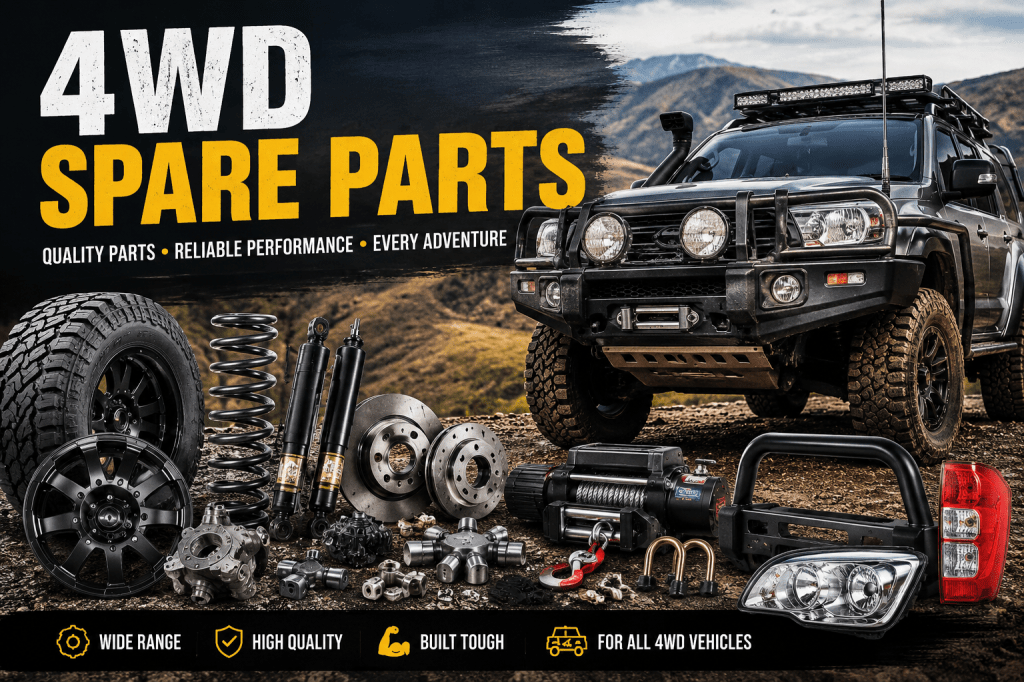
Four-wheel drives aren’t your average family sedan. They’re built tough, but that doesn’t mean they’re invincible. Common wear points include suspension components, which take a hammering on rough terrain. Brake systems also work overtime, especially when you’re descending steep hills or navigating rocky tracks.
Your drivetrain components—including CV joints, differentials, and transfer cases—experience significant stress during off-road adventures. Plus, engine filters and air intake systems can clog quickly in dusty conditions. Understanding these weak points helps you stay ahead of problems.
How Often Should You Service Your 4WD?
Most manufacturers recommend servicing your 4WD every 10,000 to 15,000 kilometres. However, if you’re regularly hitting the trails or tackling harsh conditions, you might need more frequent attention. Off-road driving accelerates wear significantly.
A good rule of thumb? Check your owner’s manual and adjust based on how you use your vehicle. Regular inspections catch small issues before they become expensive headaches.
Warning Signs Your 4WD Needs Attention
Listen to your vehicle—it’ll tell you when something’s wrong. Unusual noises like clunking, grinding, or squealing indicate potential problems. Vibrations through the steering wheel or brake pedal shouldn’t be ignored either.
Other red flags include decreased fuel efficiency, difficulty changing gears, and warning lights on your dashboard. Trust your instincts. If something feels off, get it checked promptly.
Essential 4WD Spare Parts for Repairs and Maintenance
Suspension Components and Lift Kits
Your suspension system is the backbone of off-road capability. Quality shock absorbers, coil springs, and control arms ensure a smooth ride and proper handling. Many NSW drivers also invest in lift kits to improve ground clearance.
When replacing suspension components, don’t skimp on quality. Cheap parts wear out faster and can compromise your vehicle’s handling characteristics.
Brake Pads, Rotors, and Brake Systems
Brakes are non-negotiable when it comes to safety. Heavy 4WDs require robust braking systems, especially when loaded with camping gear or towing trailers. Quality brake pads and rotors provide reliable stopping power in all conditions.
Consider upgrading to heavy-duty brake components if you frequently tow or carry heavy loads. The investment pays off in safety and longevity.
Engine Parts and Filters
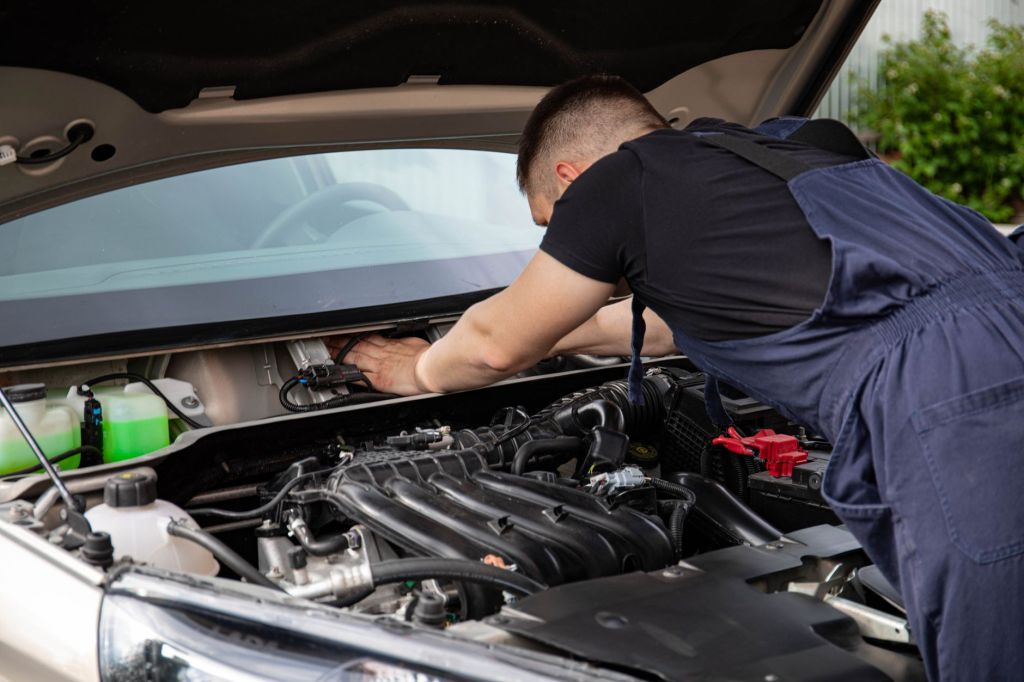
Your engine needs to breathe properly to perform well. Air filters, oil filters, and fuel filters all require regular replacement. In dusty NSW conditions, you might need to change filters more frequently than recommended.
Other common engine parts include spark plugs, timing belts, and water pumps. Keeping these components fresh ensures optimal performance and fuel efficiency.
Drivetrain and Transmission Components
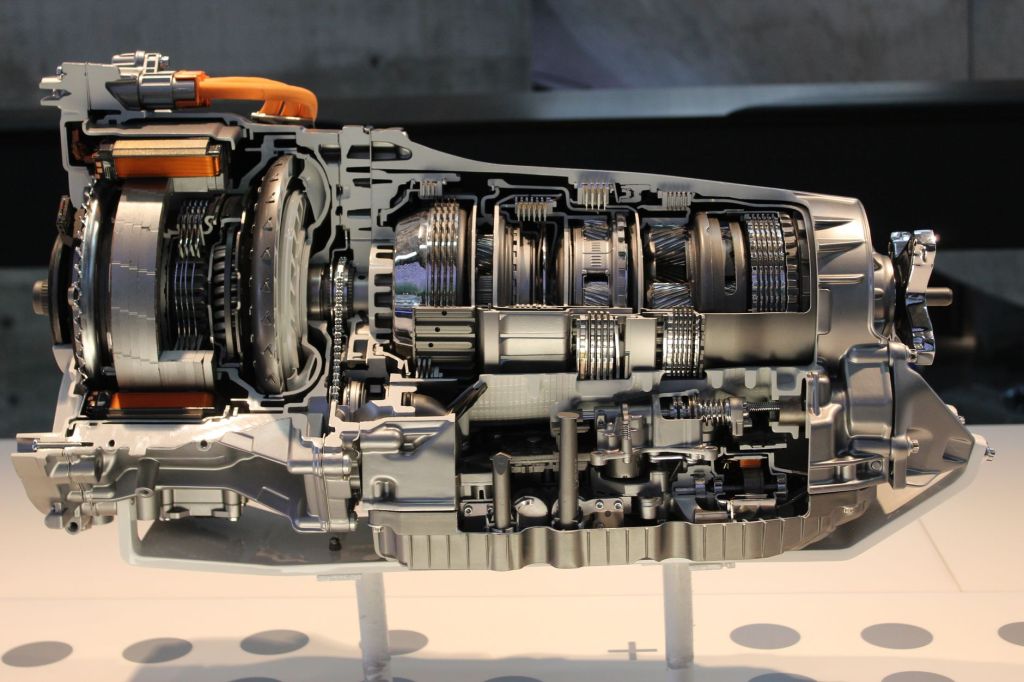
CV joints, universal joints, and differential components are vital for transmitting power to your wheels. These parts work hard during off-road driving and need regular inspection. Worn CV boots, for instance, can lead to costly joint failures.
Transmission fluids and transfer case oils also require periodic replacement. Fresh fluids protect these expensive components from premature wear.
Electrical Parts and Accessories
Modern 4WDs rely heavily on electrical systems. From alternators and batteries to sensors and wiring harnesses, electrical components can cause frustrating problems when they fail. Keeping spare fuses and basic electrical parts on hand is smart planning.
Many drivers also add accessories like spotlights, winches, and dual-battery systems. Quality electrical parts ensure these additions work reliably.
What Are the Most Common 4WD Parts That Need Replacing?
Based on what mechanics see daily, certain parts wear out more frequently than others. Brake pads typically need replacement every 30,000 to 70,000 kilometres, depending on driving conditions. Air filters might last 15,000 to 30,000 kilometres in dusty environments.
Suspension bushings and shock absorbers often need attention around the 80,000-kilometre mark. Clutches in manual vehicles can last anywhere from 100,000 to 200,000 kilometres, depending on driving habits.
Other frequently replaced items include:
– Drive belts and tensioners
– Wheel bearings
– CV joints and boots
– Radiator hoses
– Fuel pumps
Staying aware of these common replacement items helps you budget for maintenance and avoid unexpected breakdowns.
Genuine vs Aftermarket 4WD Parts: Which Should You Choose?
Benefits of Genuine OEM Parts
Genuine parts come directly from your vehicle’s manufacturer. They’re designed specifically for your model, guaranteeing perfect fitment and compatibility. OEM components typically meet strict quality standards and often come with manufacturer warranties.
For critical systems like brakes, steering, and engine components, many owners prefer genuine parts. The peace of mind is worth the extra cost.
When Aftermarket Parts Make Sense
Aftermarket parts can offer excellent value, particularly for non-critical components. Reputable aftermarket manufacturers often produce parts that meet or exceed OEM specifications. Sometimes, they even improve on original designs.
Accessories like roof racks, bullbars, and lighting systems are commonly sourced from aftermarket suppliers. These products often offer more variety and better pricing than genuine alternatives.
Are Aftermarket 4WD Parts as Good as Genuine?
The answer depends entirely on the manufacturer. Premium aftermarket brands produce excellent quality components that perform brilliantly. Budget options, however, can be hit-or-miss.
Research is crucial. Read reviews, ask fellow 4WD enthusiasts, and buy from reputable suppliers who stand behind their products. Quality aftermarket parts can be just as reliable as genuine—sometimes even better for specific applications.
Where Can I Buy Quality 4WD Spare Parts in NSW?
Trusted Suppliers Across New South Wales
NSW has numerous excellent 4WD parts suppliers spread across the state. Major cities like Sydney, Newcastle, and Wollongong have multiple options, while regional centres also offer solid choices. Look for suppliers with established reputations and positive customer feedback.
Specialist 4WD shops often provide better advice than general auto parts stores. Their staff typically have hands-on off-road experience and understand what actually works in the bush.
Buying Online vs In-Store: Pros and Cons
Online shopping offers convenience and often better prices. You can compare options easily and read customer reviews before purchasing. However, you can’t physically inspect parts or get immediate advice.
In-store shopping allows you to see products firsthand and speak directly with knowledgeable staff. You can also take parts home immediately rather than waiting for delivery. Many buyers use a combination—researching online, then purchasing in-store.
What to Look for in a Reliable 4WD Parts Supplier
Choose suppliers who offer quality guarantees and clear return policies. Good suppliers provide detailed product information and can confirm compatibility with your specific vehicle. They should also offer after-sales support if you encounter issues.
Look for suppliers who stock reputable brands and can provide proof of authenticity for genuine parts. Membership in industry associations and positive online reviews are also good indicators.
How Much Do 4WD Spare Parts Cost in Australia?
Factors Affecting Spare Parts Pricing
Several factors influence parts pricing. Genuine parts typically cost more than aftermarket alternatives. Rarer vehicles and imported models often have higher parts prices due to limited availability.
Part complexity matters too. Simple components like filters are relatively affordable, while items like differentials or transmission components carry premium price tags. Location can also affect pricing—regional areas sometimes have higher costs due to freight.
Budgeting for Regular Maintenance
Smart 4WD owners set aside money for ongoing maintenance. A reasonable estimate is $1,500 to $3,000 annually for regular servicing and consumable parts. Major repairs or upgrades require additional budgeting.
Building a relationship with a trusted supplier can help manage costs. Many offer loyalty programs or discounts for regular customers.
DIY Repairs vs Professional Installation
Which 4WD Parts Can You Fit Yourself?
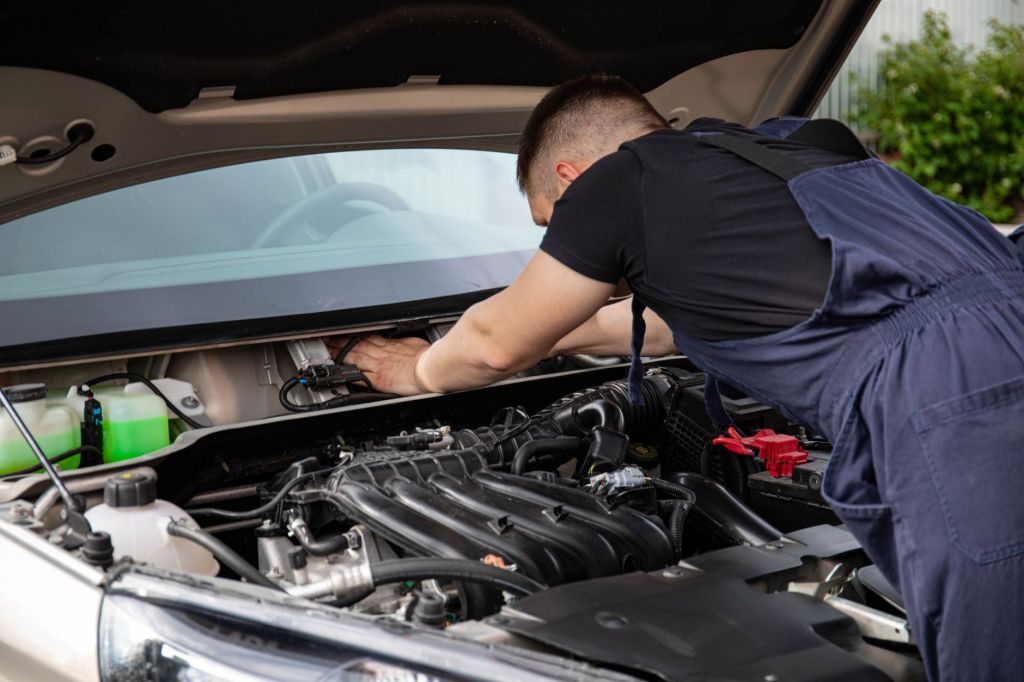
Some repairs are well-suited for home mechanics. Basic tasks like changing air filters, oil filters, and wiper blades require minimal tools and experience. Many enthusiasts also tackle brake pad replacements and basic electrical work.
However, know your limits. YouTube tutorials make everything look easy, but some jobs require specialised tools and expertise.
When to Call in the Experts
Complex jobs involving suspension geometry, drivetrain components, or engine internals are best left to professionals. Incorrect installation can compromise safety and potentially void warranties.
If you’re unsure, consult a qualified mechanic. The cost of professional installation is usually far less than fixing problems caused by DIY mistakes.
Preparing Your 4WD for NSW Conditions
Parts for Outback and Off-Road Adventures
NSW’s diverse terrain demands proper preparation. Consider heavy-duty suspension for rough tracks, along with quality recovery gear. Upgraded cooling systems help in hot outback conditions.
Snorkels protect your engine from water and dust ingress. Bull bars provide front-end protection, and underbody armour safeguards vital components on rocky trails.
Coastal and Beach Driving Considerations
Beach driving presents unique challenges. Saltwater and sand are incredibly corrosive. After coastal trips, thoroughly wash your undercarriage and apply protective treatments to vulnerable components.
Consider rust-resistant aftermarket parts for vehicles regularly exposed to coastal conditions. Regular inspections help catch corrosion before it causes serious damage.
How Do I Know If a 4WD Part Is Compatible with My Vehicle?
Compatibility is crucial. Always verify your vehicle’s exact model, year, and engine type before purchasing parts. VIN numbers can help confirm specifications when you’re uncertain.
Reputable suppliers have compatibility databases and can confirm whether parts fit your specific vehicle. Don’t guess—incorrect parts waste money and time. When in doubt, ask the experts or consult your owner’s manual.
Keeping Your 4WD Running Strong in NSW
Finding quality 4WD spare parts in NSW doesn’t have to be overwhelming. Whether you choose genuine OEM components or reputable aftermarket alternatives, the key is buying from trusted suppliers who understand four-wheel drives.
Remember, regular maintenance is far cheaper than major repairs. Stay on top of servicing schedules, listen to your vehicle, and address issues promptly. Invest in quality parts for critical systems like brakes and suspension—your safety depends on it.
Your 4WD is more than just transport—it’s your ticket to adventure across this beautiful state. Treat it well, choose your parts wisely, and it’ll reward you with years of reliable service. Now get out there and explore!




Leave a Reply