
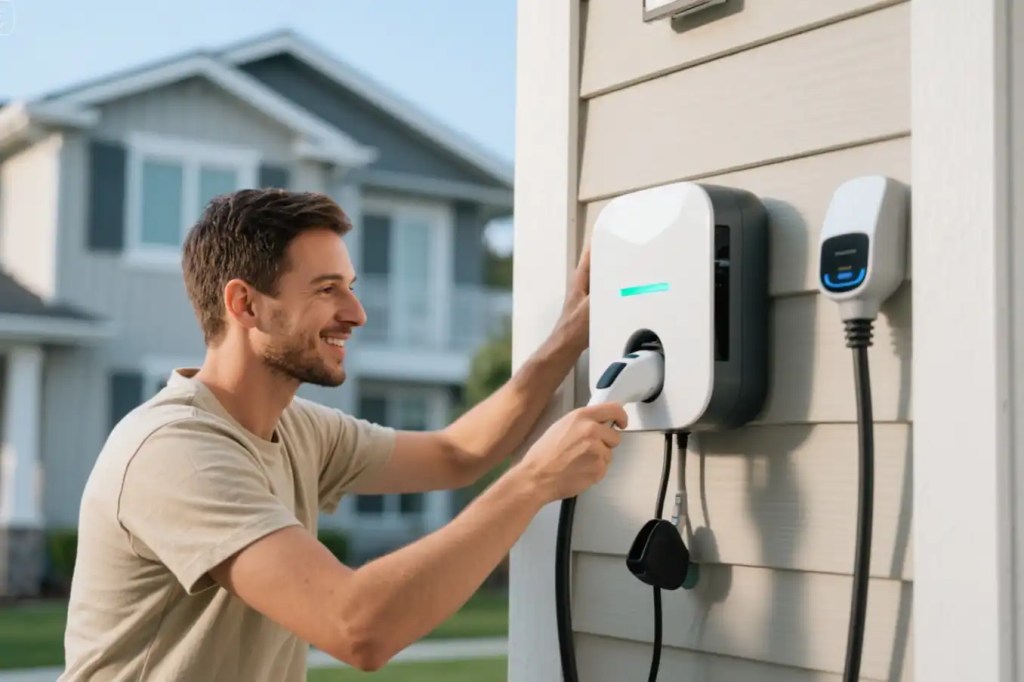
Apartment complex EV charging is now a key feature of modern Sydney rentals, and it gives renters the ability to charge electric vehicles at home without needing a private garage. From what I’ve seen the new developments in Barangaroo and Pyrmont are rolling out dedicated charging bays that are wired directly into the building’s power supply. In this article we’ll cover the technical steps, regulatory landscape, provider options, resident experience and future trends so you know what to expect when you sign a lease. The focus will be on practical advice for renters & property managers who want to make the most of this green amenity.
Why apartment complex EV charging matters for renters
Apartment complex EV charging delivers convenience that can tip the scales when renters choose between similar units, and the thing is renters having a charger on site removes the need to hunt for a public station after work, and that saves time and reduces range anxiety. In my experience residents who can plug in at home tend to drive more often, which supports the broader goal of lowering emissions across the city. On top of that, the presence of charging infrastructure can enhance a building’s sustainability rating and attract environmentally‑conscious tenants.
Apartment complex EV charging also supports the shift toward renewable energy because many new installations are paired with rooftop solar arrays. When a solar system feeds the building’s grid, the charger can draw clean power during daylight hours. This synergy cuts the building’s overall carbon footprint and aligns with Sydney’s 2026 net‑zero targets. Residents benefit from a greener lifestyle while the property gains a marketable sustainability badge.
Current landscape of EV infrastructure in Sydney apartments
In 2026 the number of apartment buildings offering on‑site chargers has risen sharply especially in high‑density areas like the CBD and inner‑west suburbs according to the NSW Department of Planning over 30% of newly approved high‑rise developments now include at least one charging point per 20 units. Like this trend reflects both market demand and the influence of recent building code updates that encourage EV ‑friendly design.
Apartment complex EV charging is still unevenly distributed, with luxury towers in Double Bay leading the way while older public housing estates lag behind. The disparity is partly due to the cost of upgrading electrical panels and the need for load‑management systems. However, government rebates for eligible projects have narrowed the gap, making it feasible for a wider range of properties to install chargers.
Technical considerations for installing apartment complex EV charging
Electrical capacity and load assessment
Before any installation can begin a qualified electrician must perform a load‑assessment to determine whether the building’s main switchboard can support additional demand. In many cases the existing service is sufficient for a few Level 2 chargers, but larger complexes may require a transformer upgrade. The assessment includes calculating the sum of all existing loads plus the projected charger load which is typically 7 kW per unit for a standard AC charger.
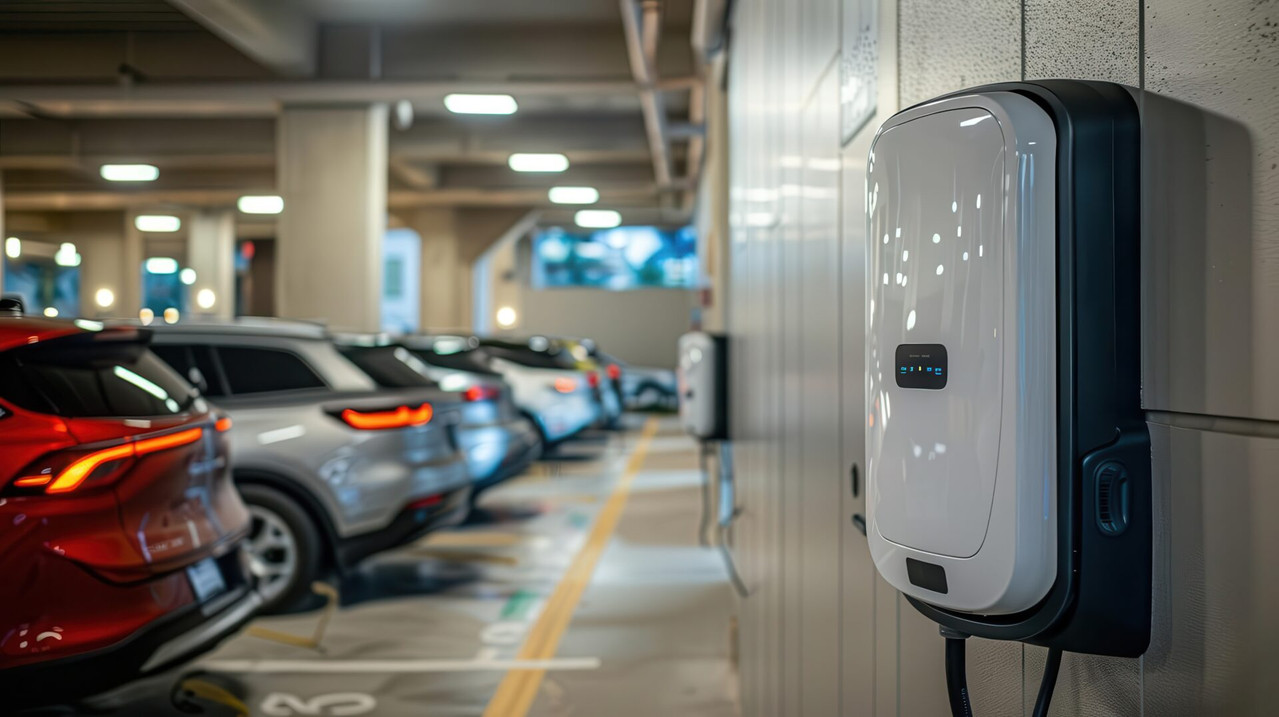
Apartment complex EV charging installations often use a dedicated distribution board to isolate charger circuits from the rest of the building. This approach simplifies maintenance & ensures that a fault on a charger does not affect other tenants’ electricity. The board is equipped with residual‑current devices that meet Australian Standard AS 3000.
Load‑management and smart charging
Smart charging technology is essential for multi‑unit dwellings because it spreads demand across off‑peak periods & prevents overload. The system communicates with each charger to stagger start times based on real‑time building load. In practice this means a resident can set a charging window from 10 pm to 6 am and the system will automatically adjust to keep total draw within safe limits.
Apartment complex EV charging that use dynamic pricing to encourage off‑peak usage, and the data can be accessed via a mobile app. Tenants can monitor the charging session, view energy consumption and receive notifications if the charger is unplugged prematurely. This transparency builds trust & reduces disputes over electricity usage.
Integration with solar and battery storage
When a building already has a rooftop solar system the charger can be configured to prioritize solar generation. The inverter can dispatch excess solar power directly to the charger reducing reliance on the grid. Some forward‑thinking developments also add a battery storage unit to capture solar energy for use during the night further enhancing the sustainability of the charging solution.
Apartment complex EV charging that leverages on‑site solar often qualifies for additional government incentives, such as the Small‑Scale Renewable Energy Scheme. These incentives can offset a portion of the installation cost and make the project more financially attractive for owners and strata committees.
Regulatory framework and incentives
Australian building codes now require new multi‑unit residential projects to allocate space for future EV charging infrastructure. The 2026 amendment to the National Construction Code mandates that developers reserve a minimum of 2 % of total parking bays for EV chargers. This forward‑looking rule ensures that retrofitting later will not be overly disruptive.
In NSW the state government offers a rebate of up to for eligible apartment complex EV charging projects that meet certain efficiency criteria. The rebate is administered through the NSW Energy Saver Program and requires proof of installation and compliance with AS 3000. Additionally, local councils in areas like the Inner West provide planning concessions for developments that include a minimum number of chargers.
Apartment complex EV charging projects must also comply with fire safety standards, particularly regarding cable routing in car‑park shafts the standards require fire‑rated conduit and separation from combustible materials. Proper certification is essential to avoid costly re‑work after the fact.
Choosing a provider and technology
There are several reputable providers of apartment complex EV charging solutions in Australia, including Charge Fox, EVSE Australia & Green Charge. To be honest, these companies offer turn‑key packages that cover site survey, installation, software licensing and ongoing support. Selecting a provider with a proven track record in strata environments can save time and avoid disputes.
When evaluating technology options, look for chargers that support both Type 2 and CCS connectors, as this covers the majority of EV models sold in Australia. To be honest, the charger should also be capable of firmware updates over the air, allowing the system to stay current with the latest security patches and feature enhancements.
Apartment complex EV charging that uses a cloud‑based management platform gives property managers real‑time visibility into usage patterns. The platform can generate monthly reports that help allocate electricity costs fairly among residents. It also provides a portal for residents to book charging slots, which is useful in complexes with limited charger numbers.
Resident experience and best practices
From a resident’s perspective, the ease of access is the most important factor. A clear signage system that indicates which parking spots are equipped with chargers reduces confusion. In complexes where chargers are shared, a simple reservation system can prevent multiple cars from attempting to use the same point simultaneously.
Apartment complex EV charging should be accompanied by clear guidelines on how to use the equipment safely, and residents need to know how to plug in correctly what to do if a charger displays an error code & who to contact for maintenance. Providing a short video tutorial in the building’s resident portal can improve compliance and reduce support tickets.
Regular maintenance is essential to keep the system reliable. Most providers include an annual service check that inspects cables, connectors and the control unit. Tenants should be encouraged to report any irregularities promptly, as early detection prevents larger outages.
Future trends & upcoming mandates
By 2026 the Australian government plans to introduce a mandatory minimum of one EV charger per 10 residential units in all new multi‑unit developments. This policy will accelerate the rollout of apartment complex EV charging across the country and make it a standard amenity rather than a premium feature.
Emerging technologies such as vehicle‑to‑grid (V2G) are beginning to appear in pilot projects within Sydney’s high‑rise apartments. V2G allows an EV to feed electricity back into the building during peak demand, providing a potential revenue stream for residents and helping balance the grid. While still in early stages, the technology could become a differentiator for forward‑thinking developments.
Another trend is the integration of charging data with building management systems. This enables predictive maintenance & optimises energy usage across the entire property. As data analytics become more sophisticated building owners will be able to fine‑tune charger deployment to match resident habits and local electricity tariffs.
Conclusion
Apartment complex EV charging is reshaping the way Sydney renters live, work and travel. It delivers convenience, supports renewable energy and adds a tangible sustainability credential to any building. By understanding the technical requirements, regulatory incentives & best‑practice management strategies, both tenants and property managers can make informed decisions that future‑proof their homes. The growing availability of smart chargers, solar integration and upcoming government mandates means that the next wave of apartments will almost certainly include this essential green amenity.
For those looking to stay ahead of the curve, keeping an eye on the evolving standards for apartment complex EV charging will ensure that your property remains competitive and compliant.







Leave a Reply