
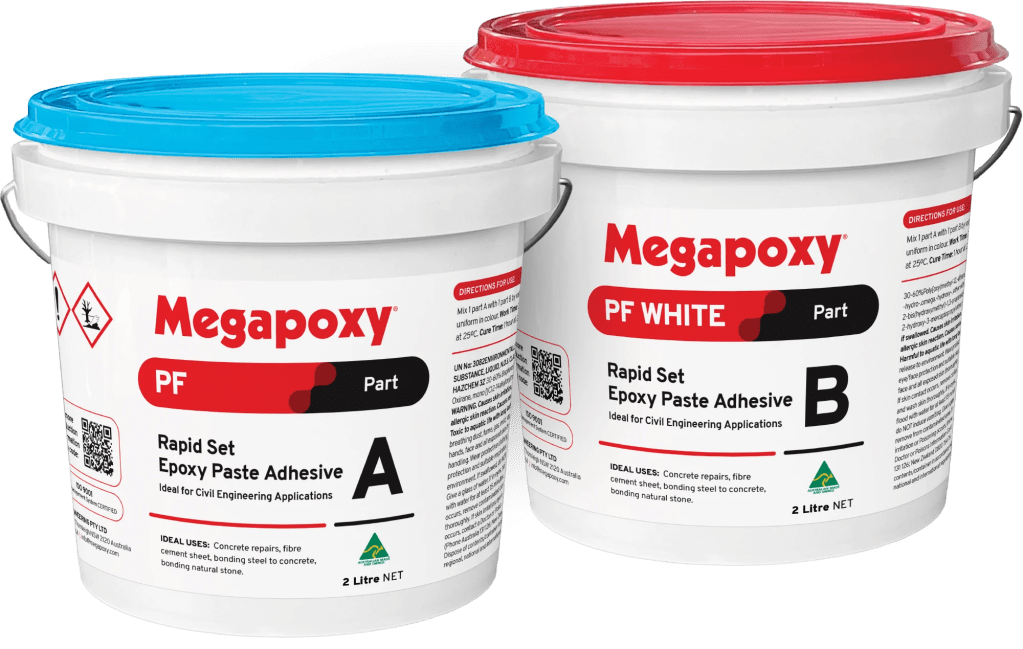
Have you ever found yourself staring at a broken piece of equipment, wondering if there’s an adhesive strong enough to fix it properly? Or perhaps you’ve been tasked with a construction project that demands a bonding solution capable of withstanding extreme conditions? What if there was an adhesive that could bond almost anything to anything, resist chemicals, handle temperature extremes, and last for decades?
Welcome to the world of Megapoxy epoxy adhesive – Australia’s go-to choice for industrial-strength bonding solutions. Whether you’re working on a major infrastructure project, repairing a boat hull, or tackling a demanding DIY job at home, understanding what makes Megapoxy stand out from ordinary adhesives can save you time, money, and plenty of headaches down the track.
In this guide, we’ll explore everything you need to know about Megapoxy products. You’ll discover what sets this premium epoxy apart from standard options, learn about its wide range of applications, and get practical tips for achieving the best results. We’ll also answer common questions about strength, waterproofing, cure times, and safety considerations. By the end, you’ll have all the knowledge needed to choose the right Megapoxy product for your specific project.
What Is Megapoxy Epoxy Adhesive?
Megapoxy is an Australian-made range of high-performance epoxy adhesives designed for demanding industrial applications. Manufactured by Megasorb, these products have earned a solid reputation across construction, mining, marine, and manufacturing industries for their exceptional bonding strength and durability.
Understanding the Megapoxy Product Range
The Megapoxy lineup includes several specialised formulations, each engineered for specific applications. From general-purpose bonding to high-temperature resistance, there’s a Megapoxy product suited to virtually any industrial bonding challenge.
Key Ingredients and Chemical Composition
Like all epoxy adhesives, Megapoxy consists of two components – a resin and a hardener. When mixed together, these create a chemical reaction that produces an incredibly strong, cross-linked polymer structure. What makes Megapoxy special is its carefully formulated blend of high-grade resins and advanced curing agents.
How Does Megapoxy Differ from Standard Epoxy Adhesives?
Standard hardware store epoxies simply can’t match Megapoxy’s performance specifications. Premium Megapoxy products offer superior tensile strength, better chemical resistance, and longer-lasting durability. They’re formulated to meet Australian industrial standards, making them the preferred choice for professionals who can’t afford adhesive failure.
What Is Megapoxy Used For?
The versatility of Megapoxy makes it suitable for an impressive range of applications across multiple industries.
Construction and Infrastructure Applications
Megapoxy excels in concrete repair, anchoring bolts, bonding structural elements, and sealing joints. It’s commonly used in bridge construction, building repairs, and infrastructure maintenance throughout Australia.
Marine and Coastal Environments
Boat builders and marine repair specialists rely on Megapoxy for hull repairs, keel bonding, and deck installations. Its waterproof properties make it ideal for Australia’s coastal conditions.
Mining and Heavy Industry Uses
In mining operations, Megapoxy bonds conveyor components, repairs heavy machinery, and anchors equipment in challenging environments. Its chemical resistance proves invaluable in these demanding settings.
Automotive and Transport Repairs
Panel bonding, structural repairs, and component assembly in automotive workshops often utilise Megapoxy products for their strength and reliability.
DIY and Domestic Projects
Home renovators and DIY enthusiasts use Megapoxy for everything from fixing cracked concrete to bonding tiles and repairing garden features.
Is Megapoxy the Strongest Epoxy Adhesive Available?
When it comes to bonding strength, Megapoxy ranks among the top performers in the Australian market.
Comparing Tensile and Shear Strength
Megapoxy products typically achieve tensile strengths exceeding 20 MPa and shear strengths above 15 MPa. These figures place them firmly in the premium category of industrial adhesives.
How Strong Is Megapoxy Compared to Welding?
While welding remains the benchmark for metal-to-metal joining, Megapoxy offers several advantages. It doesn’t require heat (which can weaken surrounding materials), works on dissimilar materials, and doesn’t create stress points. For many applications, properly applied Megapoxy provides bond strength comparable to mechanical fastening.
Benefits of Choosing Premium Megapoxy for Industrial Bonding
Selecting Megapoxy over cheaper alternatives delivers measurable benefits that justify the investment.
Superior Chemical and Corrosion Resistance
Megapoxy resists acids, alkalis, fuels, and solvents that would degrade ordinary adhesives. This chemical resistance makes it suitable for use in processing plants and industrial facilities.
Temperature Tolerance and Durability
Standard Megapoxy products perform reliably from -20°C to over 80°C. Specialised high-temperature variants handle even more extreme conditions. Plus, UV-stable formulations resist degradation from Australian sun exposure.
Versatility Across Multiple Substrates
Megapoxy bonds effectively to concrete, steel, aluminium, timber, fibreglass, and most plastics. This versatility eliminates the need for multiple specialised adhesives.
Long-Term Cost Savings
While Megapoxy costs more upfront than budget alternatives, its durability means fewer repairs and replacements over time. For commercial projects, this translates to significant long-term savings.
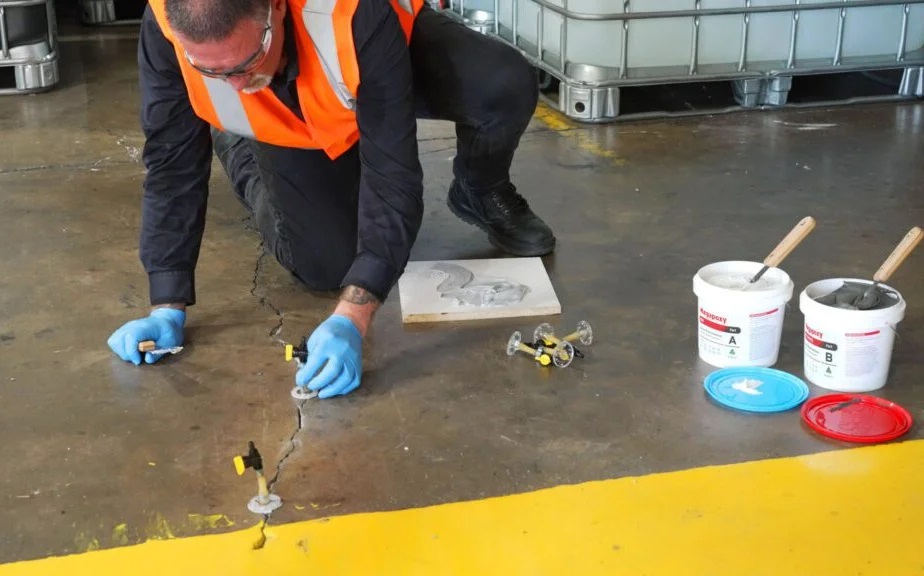
How Do You Apply Megapoxy Epoxy Adhesive?
Proper application technique is essential for achieving maximum bond strength.
Surface Preparation Best Practices
Clean, dry, and roughened surfaces ensure optimal adhesion. Remove all dust, oil, rust, and loose material before application. For smooth surfaces, light sanding creates a better mechanical bond.
Mixing Ratios and Techniques
Follow the manufacturer’s specified mixing ratios precisely – typically 2:1 or 1:1 by volume depending on the product. Mix thoroughly for at least two minutes until the colour is completely uniform.
Curing Times and Optimal Conditions
Most Megapoxy products achieve initial cure within 24 hours at room temperature, with full cure taking up to seven days. Warmer conditions accelerate curing, while cold temperatures slow it down.
Common Application Mistakes to Avoid
– Mixing insufficient quantities
– Applying to damp or contaminated surfaces
– Using incorrect ratios
– Disturbing bonds before adequate cure time
– Working in temperatures below 10°C
Which Megapoxy Product Should I Use for My Project?
Selecting the right variant ensures optimal performance for your specific application.
Megapoxy PM for Concrete Repairs
Megapoxy PM is formulated specifically for concrete repair, anchoring, and grouting applications. Its non-shrink properties make it ideal for structural repairs.
Megapoxy HT for High-Temperature Applications
When heat resistance is critical, Megapoxy HT handles temperatures up to 150°C continuously. It’s perfect for machinery repairs and industrial equipment bonding.
Megapoxy 69 for General Purpose Bonding
Megapoxy 69 offers excellent all-round performance for most bonding applications. It’s the go-to choice when you need reliable strength across various substrates.
Is Megapoxy Waterproof?
Waterproofing capability is crucial for many Australian applications, particularly in marine and outdoor settings.
Performance in Submerged Conditions
Once fully cured, Megapoxy forms a completely waterproof seal. It can withstand continuous submersion without degradation, making it suitable for underwater repairs and marine applications.
Suitability for Australian Coastal and Marine Projects
Megapoxy’s resistance to salt water, UV exposure, and marine organisms makes it the adhesive of choice for Australian boat builders and coastal construction projects.
How Long Does Megapoxy Take to Cure?
Understanding cure times helps you plan projects effectively.
Factors Affecting Cure Time
Temperature plays the biggest role – warmer conditions speed up curing, while cold weather slows it dramatically. Humidity, mixing accuracy, and film thickness also influence cure rates.
Accelerating the Curing Process Safely
Gentle heat application (up to 40°C) can safely accelerate curing. However, never apply excessive heat, as this can compromise bond strength.
Safety Considerations When Using Epoxy Adhesives
Working safely with epoxy requires proper precautions and equipment.
Personal Protective Equipment Requirements
Always wear nitrile gloves, safety glasses, and appropriate clothing. For large applications or poor ventilation, a respirator rated for organic vapours is recommended.
Ventilation and Workspace Setup
Work in well-ventilated areas whenever possible. If working indoors, ensure adequate airflow to prevent vapour buildup.
Storage and Shelf-Life Guidelines
Store Megapoxy products in cool, dry conditions away from direct sunlight. Unopened containers typically have a shelf life of 12-24 months.
Where to Buy Megapoxy Epoxy Adhesive in Australia
Megapoxy products are available through authorised industrial suppliers and specialist adhesive distributors across Australia. For commercial projects requiring bulk quantities, contact suppliers directly for competitive pricing and delivery options.
Making the Right Choice for Industrial-Strength Bonding
Choosing Megapoxy for your industrial bonding needs means investing in Australian-made quality backed by decades of proven performance. From construction sites to marine environments, mining operations to home workshops, Megapoxy delivers the strength, durability, and reliability that professionals demand.
The key to success lies in selecting the right Megapoxy variant for your specific application, preparing surfaces properly, and following correct mixing and application procedures. Whether you’re bonding metal to concrete, repairing fibreglass, or anchoring structural components, there’s a Megapoxy product engineered for the task.
Take the time to assess your project requirements carefully. Consider factors like temperature exposure, chemical contact, and substrate materials. With the right preparation and product selection, Megapoxy epoxy adhesive will deliver industrial-strength bonds that stand the test of time.








Leave a Reply