
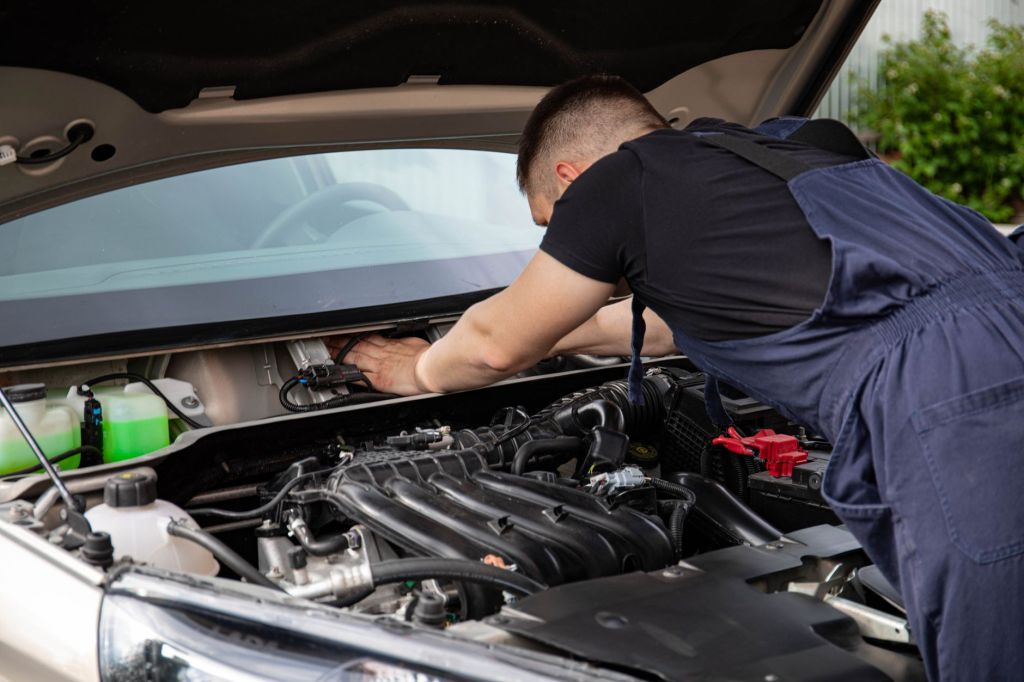
Finding a trustworthy mechanic can make a big difference when your car needs repairs. Whether you are dealing with an unusual engine noise, a warning light on the dashboard, or a vehicle that refuses to start, you want someone who can identify the problem accurately and fix it without unnecessary expenses. For drivers in Canterbury, choosing the right automotive professional is about more than finding the cheapest quote. It is about protecting your vehicle, maintaining safety, and getting dependable service.
With several workshops and automotive repair options available, knowing what to look for can help you make a confident decision. This guide explains how to evaluate local mechanics, compare repair estimates, understand customer reviews, and choose a professional who meets your needs.
1. Look for Relevant Experience and Qualifications
One of the first things to consider when searching for a mechanic is their experience with your type of vehicle. Different cars have different maintenance requirements, and some repairs demand specialized diagnostic equipment or technical knowledge.
For example, a mechanic who regularly works on modern vehicles may be familiar with electronic engine management systems, advanced driver assistance features, and computerized diagnostics. If you drive a European vehicle, hybrid car, or diesel vehicle, you may want to ask whether the workshop has experience servicing that particular category.
Qualifications are also worth checking. In Australia, automotive technicians may hold relevant trade qualifications, and some workshops employ technicians with additional manufacturer-specific training.
Before booking a repair, ask a few straightforward questions:
- Do you regularly service my vehicle’s make and model?
- Can you diagnose electrical and mechanical problems?
- Do you have the equipment required for this repair?
- Will you explain the problem and available repair options?
A professional who answers these questions clearly can help you understand what your vehicle needs before committing to a repair.
2. Check Online Reviews and Customer Feedback
Online reviews can provide useful insight into how a workshop treats its customers. When comparing local businesses, look beyond the overall star rating and read several recent reviews to understand the experiences people have had.
Pay particular attention to comments about communication, repair quality, pricing transparency, and whether vehicles were ready when promised. Reviews mentioning repeat visits for the same unresolved problem may also deserve closer attention.
However, avoid making a decision based on one negative review alone. Even well-established workshops occasionally receive complaints. Instead, look for recurring patterns across multiple reviews.
You can also check whether the business responds professionally to customer concerns. A thoughtful response can indicate that the workshop takes feedback seriously.
If you are comparing options online, researching a mechanic Canterbury search can help you discover nearby workshops, compare their customer feedback, and identify businesses that offer the services you need.
Remember that reviews are only one part of your decision. Combining customer feedback with clear communication, suitable experience, and transparent estimates provides a more reliable picture.
3. Request a Clear Quote Before Approving Repairs
Unexpected vehicle repairs can put pressure on your budget, especially when you are unsure what caused the problem. A trustworthy mechanic should explain the likely issue and provide a clear estimate before carrying out significant work.
A repair quote should ideally outline the labor involved, the parts required, any diagnostic charges, and applicable taxes. Ask whether the estimate is fixed or approximate, particularly when the mechanic cannot identify the full extent of the problem until the vehicle has been inspected.
It is also sensible to clarify what happens if additional repairs become necessary.
For example, if your vehicle needs new brake pads but the mechanic discovers that the brake discs are also worn, the workshop should explain the additional work and obtain your approval before proceeding.
When comparing quotes, do not automatically choose the lowest price. One workshop may quote for replacement parts while another includes additional diagnostic work or higher-quality components. Comparing the scope of work helps you understand whether the prices are genuinely equivalent.
A professional mechanic should be comfortable discussing costs without making you feel pressured into approving unnecessary repairs.
4. Choose a Workshop That Communicates Clearly
Good communication is an important part of a positive repair experience. Cars can develop complicated problems, but explaining them to customers should not require confusing technical language.
A reliable workshop will describe what has gone wrong, why the repair is necessary, and what could happen if the problem is left unresolved.
For instance, if your engine is overheating, the mechanic should investigate the cause rather than simply recommend replacing a component without explaining the diagnosis. Potential causes can include coolant leaks, a faulty thermostat, radiator problems, or a malfunctioning cooling fan.
You should also receive reasonable updates if the repair takes longer than expected. Delays can happen because parts are unavailable or further testing is required, but clear communication helps you plan around the inconvenience.
Before choosing a workshop, consider how staff handle your initial enquiry. Do they listen carefully? Are their answers straightforward? Do they explain the booking process and expected turnaround time?
These small details can reveal a great deal about the service you are likely to receive.
5. Confirm the Range of Vehicle Repair Services
Not every automotive workshop offers the same services. Some focus on routine servicing, while others specialize in diagnostics, transmission repairs, electrical systems, or more complex mechanical work.
Before booking, confirm that the workshop can handle your particular issue.
Common vehicle repair and maintenance services include:
- Logbook servicing: Maintenance performed according to the vehicle manufacturer’s recommended schedule.
- Brake repairs: Inspection and replacement of worn brake pads, discs, and related components.
- Engine diagnostics: Identifying faults through diagnostic equipment and mechanical testing.
- Battery and electrical repairs: Investigating starting problems, charging issues, and electrical faults.
- Suspension and steering repairs: Addressing unusual noises, poor handling, and uneven tyre wear.
- Cooling system repairs: Investigating overheating, coolant leaks, and radiator problems.
- Air conditioning servicing: Checking cooling performance and identifying system faults.
If you are unsure what your vehicle needs, describe the symptoms when contacting the workshop. For example, mention whether the engine struggles to start, the brakes squeak, or the steering wheel vibrates at higher speeds.
This information can help the mechanic determine whether an inspection, diagnostic test, or specialist repair is appropriate.
6. Ask About Parts, Warranties, and Repair Guarantees
The parts used during a repair can influence your vehicle’s performance, reliability, and long-term maintenance costs. Depending on the vehicle and repair, a workshop may offer genuine manufacturer parts, original-equipment-equivalent components, or suitable aftermarket alternatives.
Ask which parts will be used and whether you have a choice. A good mechanic should explain the differences and recommend an option that suits your vehicle and budget.
It is also worth checking the warranty arrangements for both parts and labor. Warranty conditions vary between workshops, suppliers, and types of repairs, so ask for the details in writing.
Find out whether the warranty covers replacement parts, installation, or both. You should also understand any exclusions or conditions that apply.
Before authorizing expensive work, keep a copy of the estimate, invoice, and any warranty documentation. These records can be useful if you need to discuss a repair later.
When searching for a mechanic Canterbury, consider the workshop’s approach to repair documentation and after-service support alongside its pricing and reputation.
7. Consider Convenience, Location, and Turnaround Time
A workshop’s location can influence how easily you manage vehicle repairs, especially if you rely on your car for work, school runs, or daily errands.
Look for a business that is reasonably accessible from your home or workplace. You may also want to ask about appointment availability, estimated repair times, parking arrangements, and whether alternative transport options are available.
Some workshops offer vehicle collection, courtesy cars, or local drop-off arrangements, although these services are not available everywhere.
Do not assume that a nearby workshop will always be the most convenient choice. A slightly longer journey may be worthwhile if another mechanic offers the right expertise, better communication, or a more suitable appointment.
Before leaving your vehicle, confirm when it is expected to be ready and ask the workshop to contact you if the schedule changes.
If the repair is urgent, explain the symptoms and ask whether the vehicle can be driven safely to the workshop. If you suspect a serious brake problem, severe overheating, or another potentially dangerous fault, arrange professional assistance rather than risking further damage or an unsafe journey.
8. Understand the Importance of Preventive Maintenance
Choosing a reliable mechanic is not only about fixing problems after they appear. Regular maintenance can help identify developing faults before they become more expensive or disruptive.
Follow your vehicle manufacturer’s service schedule and pay attention to warning lights, unusual noises, fluid leaks, changes in fuel consumption, and changes in braking or handling.
For example, ignoring worn tyres can affect traction and braking performance. Delaying an investigation into an overheating engine can lead to serious mechanical damage. Similarly, addressing a small battery or charging-system problem early may help prevent an unexpected breakdown.
Your mechanic can recommend a maintenance schedule based on your vehicle’s age, mileage, condition, and driving habits.
Keep service records and receipts so that you can track completed work and identify upcoming maintenance requirements. These records can also help demonstrate how the vehicle has been maintained when you eventually decide to sell it.
Regular servicing does not eliminate every possible fault, but it can make vehicle ownership more predictable.
9. Watch for Warning Signs When Choosing a Mechanic
While many workshops provide excellent service, there are a few warning signs worth recognizing before you commit to expensive repairs.
Be cautious if a mechanic refuses to explain the recommended work, gives vague pricing information, or pressures you to approve repairs immediately without a reasonable explanation.
Other concerns include repeatedly recommending additional work without discussing the findings, failing to provide invoices, or being unwilling to clarify warranty conditions.
You should also be wary of promises that sound unrealistic, such as guaranteeing that a complicated fault will be fixed without inspecting the vehicle.
A dependable professional will acknowledge when further testing is necessary and explain the next steps. They should also distinguish between repairs that are immediately necessary for safety and maintenance that can reasonably be scheduled later.
If something does not feel right, consider obtaining a second opinion before approving major work.
10. Make an Informed Decision Before Booking
Once you have shortlisted two or three workshops, compare them using the same criteria. Consider experience, relevant services, customer feedback, quote transparency, warranty arrangements, and appointment availability.
Contact each workshop with a similar description of your vehicle and its symptoms. This makes it easier to compare their responses and identify who communicates most clearly.
Before handing over your keys, confirm the agreed work, estimated cost, expected completion time, and whether the mechanic will contact you before carrying out additional repairs.
Taking a few minutes to ask these questions can prevent misunderstandings and help you feel more confident about your decision.
Whether you need routine maintenance or an unexpected repair, choosing a professional based on evidence rather than price alone is a sensible way to protect your vehicle.
Conclusion
Finding a reliable mechanic in Canterbury does not have to be difficult. By checking qualifications and experience, reading customer reviews, requesting transparent quotes, and asking about parts and warranties, you can make a more informed choice.
The best workshop is one that understands your vehicle, explains its recommendations clearly, and treats your time and budget with respect. It should also help you understand which repairs are essential and which maintenance tasks can be planned for the future.
When researching a mechanic Canterbury, take the time to compare your options rather than rushing into the first available appointment. A little research today can help you avoid unnecessary expenses, maintain your vehicle’s safety, and enjoy greater peace of mind on the road.
Ultimately, building a relationship with a dependable automotive professional can make future servicing and repairs much easier. Keep your service records, follow recommended maintenance intervals, and address unusual vehicle symptoms promptly to keep your car running as reliably as possible.




Leave a Reply