Your car is more than just a way to get from one place to another. It helps you commute to work, manage family responsibilities, run errands, and enjoy weekend trips. However, everyday driving can expose your vehicle to unexpected damage, including scratches, dents, bumper damage, and paintwork issues. Even a minor accident can leave your car looking less attractive and may affect its overall condition.
Finding a reliable repair service is essential when you want to restore your vehicle’s appearance and maintain its value. Professional technicians can assess the damage, recommend suitable repair methods, and work towards returning your vehicle to a condition you can feel confident driving.
If your vehicle has suffered collision damage, paint scratches, or dents, choosing professional car body repairs Seaford can help you get your car back on the road with a refreshed appearance and properly repaired bodywork.
Why Professional Car Body Repairs Matter
Car body damage can range from small cosmetic imperfections to more serious structural problems. While a minor scratch might not seem important initially, untreated damage can sometimes allow moisture to affect exposed metal, potentially leading to corrosion.
Professional repairs address visible damage while helping identify underlying issues that might otherwise go unnoticed. Experienced technicians inspect affected panels, assess the condition of the paintwork, and determine whether components need repairing or replacing.
Professional bodywork services may include dent removal, bumper repairs, scratch removal, panel replacement, paint matching, and collision damage restoration. The appropriate solution depends on the type and severity of the damage, your vehicle’s construction, and the condition of its existing finish.
Another important consideration is safety. Damage around crumple zones, structural panels, sensors, or other safety-related components requires careful assessment. Cosmetic improvements alone are not enough when an accident may have affected the vehicle’s structural integrity.
Choosing a qualified repairer gives you a clearer understanding of the work required and helps ensure that safety-related repairs are not overlooked.
Common Types of Car Body Damage
Understanding the type of damage your vehicle has experienced can help you decide when to seek professional assistance.
1. Dents and Dings
Dents can occur in car parks, narrow streets, and busy shopping areas. Another vehicle’s door, a shopping trolley, or a minor collision can leave noticeable marks on your car’s panels.
Depending on the location and severity of the damage, technicians may use paintless dent removal or conventional panel repair techniques. Paintless dent removal can be suitable when the paint remains intact and the panel can be reshaped without affecting its finish.
Larger dents, sharp creases, or damaged paintwork may require additional preparation and repainting.
2. Scratches and Paint Damage
Scratches can develop from branches, road debris, accidental contact, or everyday wear. Some marks affect only the clear coat, while deeper scratches can expose the primer or bare metal underneath.
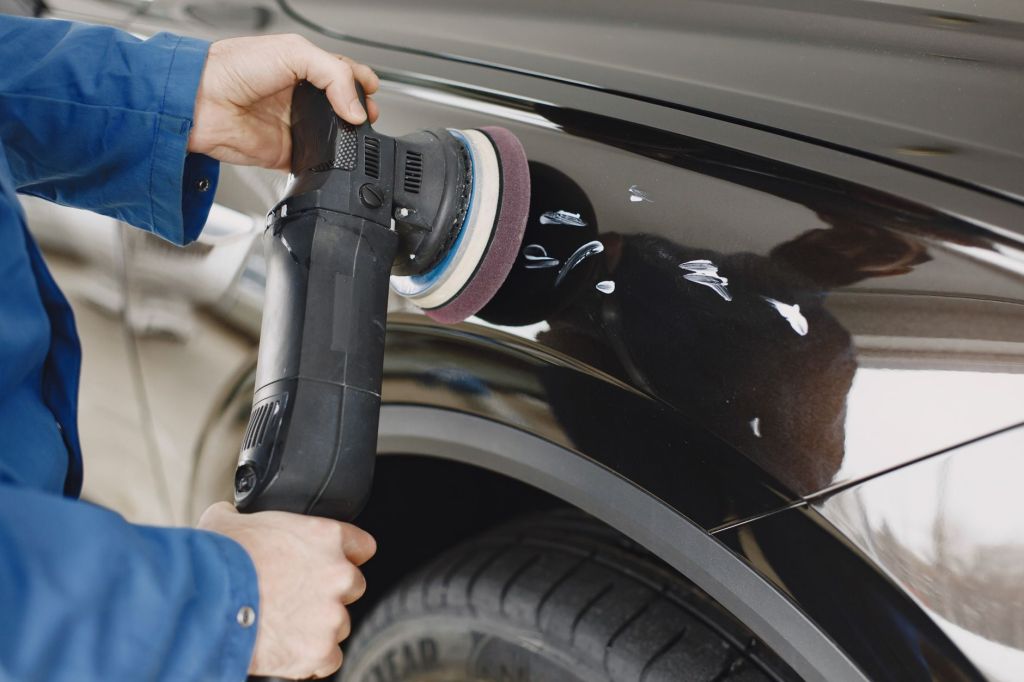
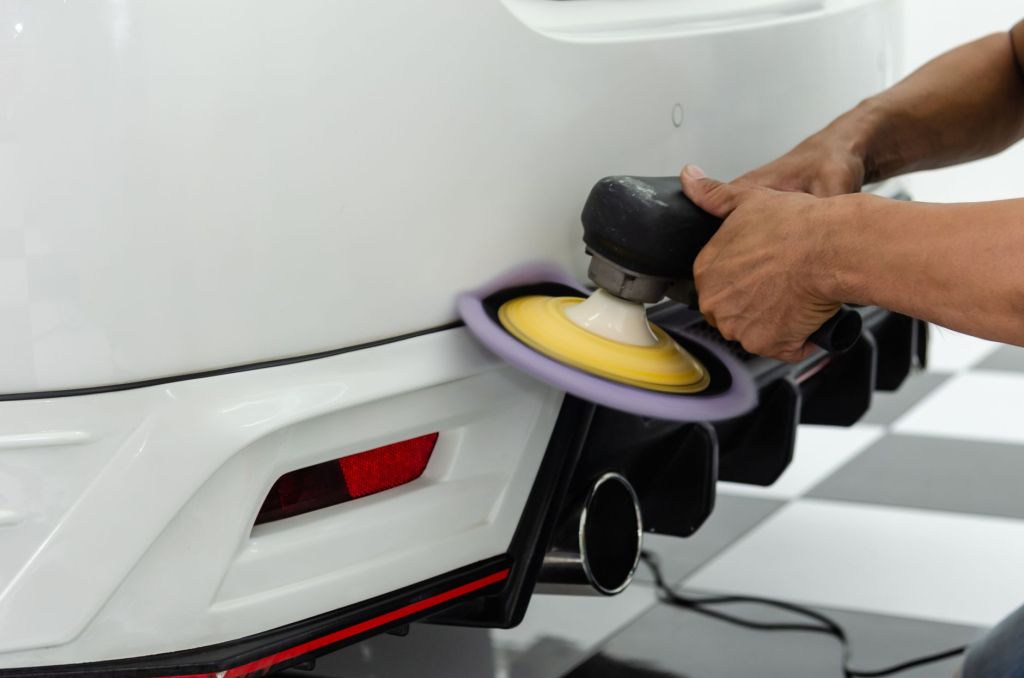
The repair method depends on the depth of the scratch. Minor imperfections may respond to polishing, whereas deeper damage may require filling, sanding, colour matching, and refinishing.
Prompt attention to exposed metal can help reduce the risk of corrosion and prevent a small cosmetic problem from becoming more extensive.
3. Bumper Repairs
Bumpers often sustain damage during low-speed collisions and parking incidents. Cracks, scuffs, dents, and broken mounting points can affect both appearance and functionality.
Modern bumpers may also incorporate parking sensors and other driver-assistance technology. A proper assessment should therefore consider any affected components, not just the visible surface damage.
Depending on the circumstances, a repairer may be able to restore the existing bumper or recommend replacement.
4. Collision and Panel Damage
Accidents can damage doors, wings, bonnets, boot lids, and other body panels. More serious impacts may affect the vehicle’s alignment or underlying structure.
These repairs require an appropriate assessment before work begins. Technicians may need to remove damaged components, repair or replace panels, refinish the affected areas, and check that relevant safety systems function correctly.
Choosing a Reliable Car Body Repair Service in Seaford
Selecting the right repairer can make a significant difference to the final result. Although price is an important consideration, it should not be the only factor when comparing repair services.
Start by looking for a business that can explain the repair process clearly and assess the damage before providing a quotation. A professional approach should include an outline of the recommended work, the expected timescale, and any potential additional costs.
You can also review customer feedback to understand other motorists’ experiences. Look for comments about communication, workmanship, punctuality, and how the business handles questions or concerns.
When comparing car body repairs Seaford, consider asking the following questions:
- Does the repairer have experience with your vehicle’s make and model?
- Will the quotation explain the work and parts included?
- Are paint matching and refinishing included where necessary?
- Is there a warranty on the repair work, and what does it cover?
- Will safety-related components be inspected if the damage resulted from a collision?
- Can the business provide an estimated completion date?
These questions help you compare services fairly and avoid choosing a repairer based on price alone.
The Car Body Repair Process Explained
Knowing what happens during a typical repair can make the experience less stressful, particularly if your vehicle has been involved in an accident.
Step 1: Initial Inspection
The process begins with an inspection of the affected areas. The technician assesses visible damage and determines whether further investigation is necessary.
For collision-related damage, the inspection may identify hidden issues that are not immediately apparent from the outside.
Step 2: Repair Planning and Quotation
After the inspection, the repairer recommends the most appropriate approach. This may involve reshaping panels, replacing damaged components, preparing surfaces, or repainting affected areas.
A detailed quotation should clarify the proposed work and explain whether the estimated cost could change if additional damage is discovered.
Step 3: Panel Repair and Preparation
Damaged panels are repaired or replaced as required. Before painting, surfaces must be properly prepared to support a smooth and durable finish.
Careful preparation is important because uneven surfaces, poor adhesion, or inadequate finishing can affect the final appearance.
Step 4: Paint Matching and Refinishing
The technician selects a suitable paint colour and applies the necessary refinishing process. Matching the existing paint can be challenging because vehicle colours may vary with age, exposure to sunlight, and previous repairs.
Blending techniques may be used where appropriate to create a consistent appearance across the repaired area.
Step 5: Final Quality Checks
Before the vehicle is returned, the repairer should inspect the finished work for surface quality, colour consistency, and correct component fitment.
Where relevant, checks may also include sensors, lights, and safety-related systems affected by the original damage.
How Quality Body Repairs Can Help Maintain Vehicle Value
Your vehicle’s appearance can influence how prospective buyers perceive it. Visible dents, scratches, mismatched paint, and poorly repaired panels may raise concerns about how well the car has been maintained.
Professional repairs can improve presentation and help prevent certain types of damage from worsening. Keeping records of repair work, including invoices and relevant documentation, may also help demonstrate that issues have been addressed.
However, body repairs do not automatically restore a vehicle to its pre-accident market value. The impact on resale value depends on factors such as the vehicle’s age, mileage, accident history, repair quality, and overall condition.
For this reason, it is sensible to address damage promptly while keeping realistic expectations about the financial benefits.
How Much Do Car Body Repairs Cost?
The cost of repairing car body damage varies considerably. A small scratch may require only limited refinishing, while a major dent or collision could involve replacement panels, specialist equipment, and additional labour.
Several factors influence the final price:
- Damage severity: Larger or deeper damage generally requires more work.
- Vehicle type: Parts and repair procedures vary between makes and models.
- Paint requirements: Specialist finishes and difficult colour matches may increase costs.
- Replacement components: New panels, bumpers, clips, and sensors can affect the overall price.
- Hidden damage: Additional problems discovered during dismantling may change the original estimate.
For an accurate price, arrange an inspection and request a written quotation. If the damage is covered by insurance, check your policy, excess, and approval requirements before authorising repairs.
A clear quotation makes it easier to understand what you are paying for and compare different repair options.
Tips for Protecting Your Car’s Bodywork
Although accidents cannot always be avoided, a few practical habits can help reduce everyday bodywork damage.
Park carefully and leave sufficient space between your vehicle and surrounding cars. Avoid driving too close to overhanging branches or obstacles that could scratch the paintwork.
Wash your vehicle regularly using suitable car-cleaning products, particularly after exposure to road grime and other contaminants. Inspect scratches and chips periodically, and seek advice if damage exposes the underlying metal.
It is also worth addressing small problems before they spread. A timely repair may prevent further deterioration and help keep your vehicle looking well maintained.
For motorists seeking car body repairs Seaford, combining professional maintenance with careful driving habits can help preserve the appearance of their vehicle over time.
Get Your Vehicle Back to Its Best
Car body damage can be frustrating, whether it results from a minor parking incident or a more serious collision. The good news is that many types of damage can be repaired using suitable techniques, quality materials, and careful workmanship.
The key is to choose a repairer who assesses the damage thoroughly, explains the available options, and provides a clear quotation before starting work. Paying attention to paint quality, panel alignment, component fitment, and safety checks can help you make a more informed decision.
If your vehicle has dents, scratches, bumper damage, or collision-related bodywork issues, explore professional car body repairs Seaford to understand the available solutions and find the right approach for your vehicle.
With the right repair process, you can improve your car’s appearance, address damage appropriately, and enjoy greater confidence in its condition for everyday driving.



Leave a Reply