
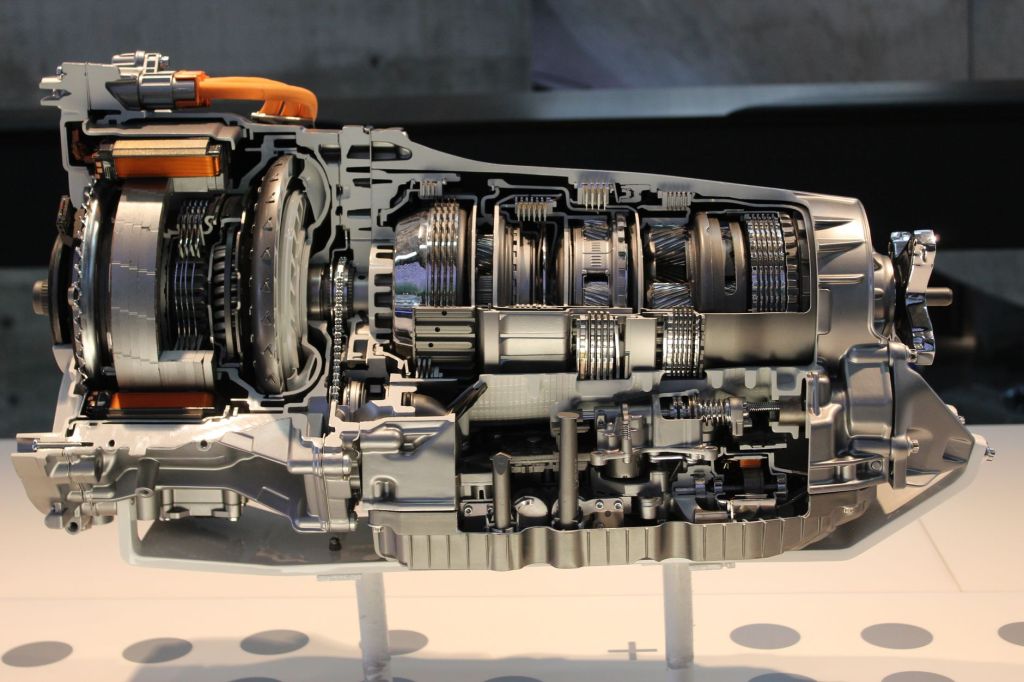
If you are shopping for a new car or trying to understand how your vehicle works, you may have come across the term CVT transmission. Unlike a traditional automatic transmission that uses a fixed number of gears, a Continuously Variable Transmission (CVT) uses a different system to deliver power from the engine to the wheels.
CVT technology has become increasingly common in modern vehicles because it can provide smooth acceleration, improve fuel efficiency, and keep the engine operating within an efficient range. However, like any automotive component, it also has advantages, disadvantages, and maintenance requirements.
What Is a CVT Transmission?
A CVT transmission, or Continuously Variable Transmission, is an automatic transmission that does not use conventional fixed gears in the same way as a traditional automatic gearbox.
Instead, most CVTs use two variable-diameter pulleys connected by a strong metal or composite belt or chain. One pulley is connected to the engine, while the other sends power to the wheels.
The diameter of these pulleys can continuously change depending on driving conditions. This allows the transmission to provide an almost unlimited number of gear ratios between its lowest and highest settings.
The result is a smooth transition in engine speed without the noticeable gear shifts found in conventional automatic transmissions.
How Does a CVT Transmission Work?
Understanding how a CVT works is easier when you think of the two pulleys as adjustable wheels.
The first pulley receives power from the engine, while the second transfers that power toward the wheels. A belt or chain connects the two pulleys.
When you accelerate, the transmission automatically adjusts the pulley sizes to provide the appropriate ratio. At low speeds, it can provide a ratio that gives the vehicle more pulling power. As the vehicle gains speed, the ratio changes continuously to help the engine operate efficiently.
Unlike a traditional automatic transmission, there is no need to shift from first gear to second gear, then third gear and so on.
The transmission’s computer continuously monitors factors such as vehicle speed, throttle position, engine load, and driving conditions to determine the appropriate ratio.
Benefits of CVT Transmission
One of the biggest reasons manufacturers use CVTs is their potential to improve fuel economy.
1. Improved Fuel Efficiency
A CVT can keep the engine operating closer to its most efficient RPM range. Because it does not have to work through a limited number of fixed gears, the engine can operate efficiently under different driving conditions.
This can help reduce fuel consumption, particularly during normal city and highway driving.
2. Smooth Acceleration
A traditional automatic transmission may produce noticeable shifts as it moves between gears. A CVT changes its ratio continuously, which can result in very smooth acceleration.
Drivers may notice fewer jolts or interruptions when accelerating.
3. Better Engine Efficiency
The transmission can adjust the gear ratio according to the engine’s requirements. This flexibility can help the engine produce the necessary power without unnecessarily increasing engine speed.
4. Simple Driving Experience
Because there are no conventional gear changes for the driver to manage, driving a CVT-equipped vehicle can feel simple and comfortable, especially in heavy traffic.
Are There Any Disadvantages?
Although CVTs offer several benefits, they are not perfect.
Some drivers do not like the driving sensation of a CVT. During hard acceleration, the engine may remain at a relatively high RPM while the vehicle continues to gain speed. This can create a different sound and feeling compared with a traditional automatic transmission.
CVTs can also be sensitive to maintenance. Using the wrong transmission fluid or delaying service can potentially contribute to premature wear.
Repair costs can also be significant when major internal components fail because the transmission may require specialized diagnosis and repair.
Common CVT Transmission Problems
Like other transmissions, a CVT can develop problems over time. Some common warning signs include:
- Shuddering or shaking during acceleration
- Delayed acceleration
- Unusual whining or humming noises
- Transmission overheating
- Slipping or inconsistent power delivery
- Warning lights on the dashboard
- Difficulty maintaining smooth acceleration
- Unusual transmission fluid smell
These symptoms do not always mean that the CVT itself has failed. Problems with sensors, software, fluid levels, or other components can create similar symptoms.
For this reason, proper diagnosis is important before replacing expensive transmission components.
How to Maintain a CVT Transmission
Regular maintenance is one of the best ways to support the long-term performance of a CVT.
The most important step is checking the manufacturer’s recommended service schedule. CVTs generally require a specific type of transmission fluid, so it is important to use the correct fluid specified for your particular vehicle.
Avoid using generic transmission fluid unless it is specifically approved for your CVT.
Regular inspections can also help identify leaks, unusual noises, or other developing problems before they become more serious.
Your driving habits can also make a difference. Avoiding unnecessary aggressive acceleration and paying attention to warning signs can help reduce stress on the transmission.
CVT Transmission vs Traditional Automatic
The main difference between a CVT and a traditional automatic transmission is the way they deliver different ratios.
A conventional automatic uses a series of fixed gears. During acceleration, it shifts between these gears.
A CVT does not rely on the same fixed gear structure. Instead, it continuously changes the transmission ratio using its pulley and belt or chain system.
This difference can make a CVT smoother and potentially more fuel-efficient, while some drivers may prefer the more familiar shifting feel of a traditional automatic.
When Should You Get Your CVT Checked?
If you notice unusual noises, hesitation, shuddering, overheating, or changes in acceleration, it is a good idea to have the vehicle inspected.
Ignoring transmission symptoms can sometimes allow a relatively manageable issue to become more expensive.
A qualified technician can scan the vehicle’s computer system, inspect the transmission, check fluid condition, and perform other diagnostic tests to determine the likely cause of the problem.
For major issues, choosing professional CVT transmission specialists can be particularly important because CVT systems require specific knowledge, equipment, and repair procedures.
Final Thoughts
A CVT transmission is designed to provide smooth power delivery, efficient engine operation, and potentially better fuel economy. Its continuously changing ratios make it different from conventional automatic transmissions and provide a unique driving experience.
However, proper maintenance is essential. Following the manufacturer’s service recommendations, using the correct transmission fluid, and addressing warning signs early can help support reliable performance.
Whether you already own a vehicle with a CVT or are considering buying one, understanding how the system works can help you make better decisions about maintenance and repairs. When problems occur, timely diagnosis and CVT transmission repair services can help prevent minor issues from developing into major transmission problems.







Leave a Reply