Ever found yourself staring at your car and thinking it could do with a fresh look? Maybe the paintwork has seen better days, or perhaps you’re simply craving a change. But where do you even start when it comes to choosing the right paint for your vehicle?
Selecting car paint isn’t as straightforward as picking your favourite colour from a chart. There’s a whole world of paint types, finishes, and quality levels to consider. Plus, factors like durability, cost, and maintenance all come into play. Whether you’re restoring a classic car or simply refreshing your daily driver, understanding your options makes all the difference.
In this guide, we’ll walk you through everything you need to know about car paint. From solid finishes to eye-catching metallics, budget considerations to professional painter selection – we’ve got you covered. By the end, you’ll feel confident making the right choice for your vehicle. So, let’s get stuck into it!
Understanding Car Paint Types
Solid Paint: The Classic Choice
Solid paint is exactly what it sounds like – a single, uniform colour without any additional effects. It’s the most affordable option and has been around for decades. Think classic reds, blues, and whites that look clean and timeless.
One major advantage? Solid paint is the easiest to touch up if you get minor scratches or chips. You won’t need to worry about matching metallic flakes or pearl effects. This makes it a practical choice for everyday vehicles.
However, solid colours can appear somewhat flat compared to other finishes. They don’t catch the light in interesting ways, which some people find less exciting. Still, for those who appreciate simplicity and easy maintenance, solid paint remains a solid choice.
Metallic Paint: Adding That Extra Sparkle
Metallic paint contains tiny aluminium flakes that create a shimmering effect in sunlight. This finish adds depth and dimension that solid paint simply can’t match. It’s become incredibly popular across all vehicle types.
The sparkle factor makes scratches and minor imperfections less noticeable. This is brilliant news for anyone parking in busy shopping centres. What’s more, metallic finishes often enhance a car’s curves and body lines beautifully.
On the flip side, touching up metallic paint proves trickier than solid colours. Matching the flake distribution requires professional skill. Still, the aesthetic benefits often outweigh this minor inconvenience for many car owners.
Pearlescent Paint: Premium Finish Options
Pearlescent paint takes things up another level. Instead of aluminium flakes, it contains ceramic crystals that refract light. This creates colour-shifting effects that look absolutely stunning.
You’ll notice different hues appearing as you walk around the car. A white pearlescent might show hints of blue or pink depending on the angle. It’s genuinely impressive to see in person.
Naturally, this premium finish comes with a premium price tag. Repairs and touch-ups require specialist skills. But if you’re after a head-turning finish that stands out from the crowd, pearlescent is hard to beat.
Matte and Satin Finishes: Modern Alternatives
Matte finishes have gained serious popularity in recent years. They absorb light rather than reflecting it, creating a sophisticated, understated look. Satin finishes sit somewhere between matte and gloss.
These finishes require specific care products. Standard car washes can damage the surface. You’ll need special cleaners and protectants to maintain that unique appearance.
While striking, matte and satin finishes aren’t for everyone. They show fingerprints easily and require more attention. Consider your lifestyle before committing to this modern alternative.
What Are the Different Types of Automotive Paint?
Beyond finishes, you’ll need to understand the actual paint formulations available. Each type has distinct characteristics that affect application, durability, and final appearance.
Acrylic Lacquer was once the industry standard. It dries quickly and produces a beautiful high-gloss finish. However, it’s less durable than modern alternatives and requires regular maintenance. You’ll mainly find it on classic car restorations these days.
Acrylic Enamel offers improved durability over lacquer. It chemically hardens as it cures, creating a tougher finish. Many budget paint jobs use acrylic enamel because it balances cost and quality effectively.
Urethane Paint represents the current professional standard. It’s incredibly durable, resistant to chipping, and provides excellent UV protection. Most reputable panel beaters in Mornington and across Australia use urethane-based systems.
Water-Based Paints are becoming increasingly popular due to environmental regulations. They produce fewer harmful emissions while still delivering excellent results. Many manufacturers now use water-based basecoats with solvent-based clearcoats for the best of both worlds.
How Much Does It Cost to Repaint a Car in Australia?
Let’s talk numbers. Car painting prices vary dramatically depending on several factors. Understanding these helps you budget appropriately.
Factors That Affect Car Painting Prices
Vehicle size plays a major role. Painting a small hatchback costs considerably less than a large SUV. The amount of preparation work needed also impacts pricing – rust repair, dent removal, and stripping old paint all add time and cost.
Your chosen finish matters too. A basic solid colour costs less than metallic or pearlescent options. The number of coats and quality of materials used directly affects the final price.
Budget vs Premium Paint Jobs: What’s the Difference?
Budget paint jobs typically start around $1,000-$3,000. These often involve minimal preparation and fewer coats. They’re fine for vehicles you’re planning to sell or older cars where perfection isn’t essential.
Premium jobs range from $5,000 to $15,000 or more. They include thorough preparation, high-quality materials, and multiple coats. The finish lasts longer and looks noticeably better. For your pride and joy, it’s worth the investment.
Getting Value for Money in Mornington
When seeking car painting in Mornington, get multiple quotes. Compare what’s included in each estimate. The cheapest option isn’t always the best value if corners are being cut.
Is It Worth Repainting an Older Car?
This question comes up frequently. The answer depends on your specific situation and goals.
When Repainting Makes Financial Sense
Repainting makes sense when your car’s mechanical condition is sound but the exterior lets it down. If you’ve invested in maintenance and the engine runs well, a fresh coat of paint can give you years more enjoyment.
Classic or collectible vehicles almost always benefit from quality repainting. A well-maintained exterior preserves value and makes ownership more rewarding.
Protecting Your Vehicle’s Resale Value
A quality paint job protects against rust and deterioration. This maintains structural integrity and resale value. Buyers pay more for cars that look well-cared-for.
However, spending $10,000 on paint for a car worth $8,000 rarely makes financial sense. Be realistic about your vehicle’s overall value before committing.
How Do I Match My Car’s Original Paint Colour?
Matching existing paint requires precision. Even small variations become glaringly obvious once applied.
Finding Your Car’s Paint Code
Every car has a paint code, usually found on a plate in the door jamb, under the bonnet, or in the boot. This code identifies your exact colour. Your owner’s manual can help locate it.
Working with Professional Colour Matching Services
Professional painters use sophisticated colour-matching technology. They’ll scan your existing paint and create a custom mix. This accounts for fading and ensures the best possible match.
What Should I Look for in a Professional Car Painter?
Choosing the right professional makes all the difference to your final result.
Questions to Ask Before Booking
Ask about their experience with your vehicle type. Request examples of previous work. Enquire about warranty coverage and what’s included in their quote. A reputable painter welcomes these questions.
Choosing a Reputable Panel Beater in Mornington
Look for established businesses with positive reviews. Check if they’re certified by paint manufacturers. Personal recommendations from friends and family often prove invaluable. Take your time – rushing this decision rarely ends well.
How Long Does a Professional Car Paint Job Last?
Quality paint jobs last 10-15 years with proper care. Some last even longer in ideal conditions.
Maintaining Your New Paint Finish
Regular washing removes contaminants that damage paint. Waxing every few months adds protection. Address chips and scratches promptly before rust develops.
Protecting Against Australian Weather Conditions
Australia’s harsh UV rays and coastal salt air challenge any paint finish. Parking in shade when possible, helps. Quality paint protection film on high-impact areas offers extra defence.
DIY vs Professional Car Painting: Which Is Right for You?
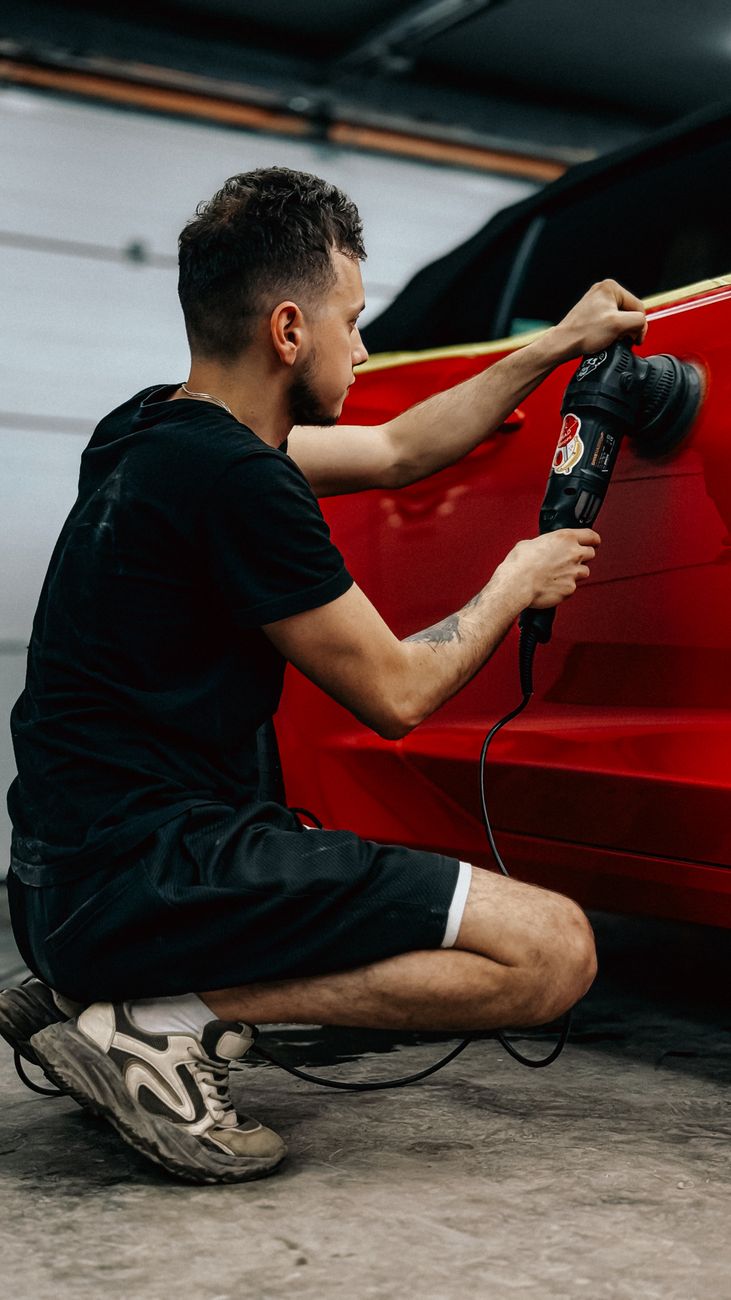
DIY painting saves money but requires significant skill, equipment, and space. Achieving professional results at home is genuinely difficult. Runs, orange peel texture, and dust contamination plague amateur attempts.
Professional painting costs more but delivers superior, long-lasting results. For your primary vehicle, professional work almost always proves worthwhile. Save DIY attempts for project cars where perfection isn’t essential.
Making the Right Choice for Your Vehicle
Choosing car paint involves balancing aesthetics, durability, and budget. We’ve explored finish types, from simple solid colours to stunning pearlescent options, and looked at different paint formulations and what influences overall pricing.
The key takeaway? Don’t rush your decision. Think about how long you plan to keep your car, how much maintenance you’re willing to commit to, and which finish best reflects your personal style. Remember, quality preparation and professional application are just as important as the paint itself.
Whether you’re in Mornington or elsewhere in Australia, working with an experienced specialist in car painting Mornington ensures your investment delivers long-lasting results and a flawless finish. Your car deserves to look its best—and with the right approach, it absolutely will. Good luck with your project!


 automotiveadvice.car.blog
Leave a comment