

Your vehicle’s transmission is one of its most critical components. Acting as the bridge between the engine and the wheels, it ensures smooth power delivery and optimal performance. When your transmission starts to malfunction, you may notice jerky shifts, slipping gears, or even complete breakdowns—all of which can leave you stranded and facing costly repairs. This is where automatic transmission diagnosis becomes invaluable.
By identifying potential issues early, you not only save money but also protect your vehicle’s overall health. In this article, we’ll explore why transmission diagnosis matters, the signs you shouldn’t ignore, and how expert checks can extend the life of your car.
Understanding Automatic Transmissions
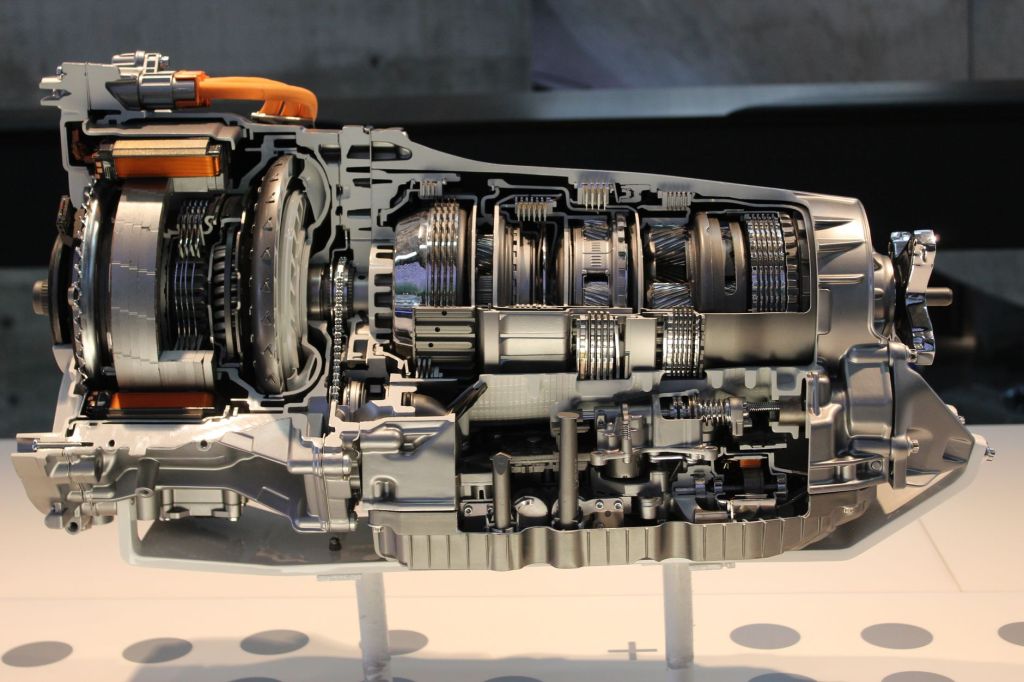
Unlike manual systems, automatic transmissions handle gear changes on their own, giving you a smoother and more convenient driving experience. However, they are highly complex, with intricate hydraulic systems, sensors, and electronic controls working together.
Because of this complexity, small problems can quickly escalate if not addressed. A professional automatic transmission diagnosis allows mechanics to pinpoint hidden issues before they become major headaches.
Why Transmission Diagnosis Matters
There are several reasons why regular transmission checks are crucial for car health:
Prevent Major Failures: Early diagnosis catches minor problems like low fluid levels, clogged filters, or faulty sensors before they cause significant damage.
Save on Repair Costs: Repairing a transmission is one of the most expensive jobs in auto maintenance. Detecting issues early can reduce costs dramatically.
Ensure Safety: A failing transmission can compromise your ability to control the car, especially when accelerating or climbing hills.
Improve Longevity: Regular automatic transmission diagnosis helps extend the lifespan of your gearbox, ensuring it continues performing smoothly for years.
Maintain Resale Value: Buyers are more confident in vehicles with a documented history of proper servicing and early problem detection.
Common Warning Signs That Call for Diagnosis
Not all drivers know when their transmission is struggling, but there are clear red flags that should prompt immediate inspection:
Slipping Gears – If the car unexpectedly changes gears or struggles to stay in gear, it’s a classic warning sign.
Delayed Engagement – Hesitation when shifting from park to drive or reverse indicates a potential issue.
Grinding or Shaking – Rough transitions between gears signal internal wear.
Unusual Noises – Whining, clunking, or humming noises can point to worn-out components.
Fluid Leaks – Transmission fluid is vital for lubrication and cooling. A leak can quickly cause damage.
Dashboard Warning Lights – Modern cars often trigger a check-engine light when transmission faults are detected.
If you notice any of these symptoms, booking an automatic transmission diagnosis should be your first step.
What Happens During Transmission Diagnosis?
A professional diagnostic check is far more thorough than a quick glance under the bonnet. Here’s what most workshops include in their process:
Visual Inspection: Mechanics check for leaks, fluid condition, and external wear.
Computerised Scan: Modern vehicles have onboard diagnostic systems. Technicians use specialised tools to read error codes from sensors.
Fluid Analysis: Transmission fluid is tested for colour, smell, and contaminants—each revealing important information about internal health.
Road Test: Mechanics drive the car to observe shifting behaviour, noises, and overall performance.
Pressure Tests: Hydraulic pressure checks ensure the system is functioning correctly.
This structured approach means mechanics can accurately identify problems without unnecessary guesswork or costly trial-and-error repairs.
How Diagnosis Saves Money in the Long Run
It’s tempting to ignore small issues in the hope they’ll resolve themselves, but with transmissions, that approach almost always backfires. Consider this:
A fluid change costs a fraction of what a complete rebuild does.
Replacing a faulty sensor is far cheaper than repairing extensive gearbox damage.
Detecting leaks early prevents the system from running dry and overheating.
Regular automatic transmission diagnosis transforms vehicle maintenance from reactive to proactive, ensuring small investments now prevent huge expenses later.
Tips for Maintaining a Healthy Transmission
Alongside professional diagnostics, you can take several steps to protect your car’s transmission:
Check Fluid Levels: Low or dirty fluid is one of the biggest causes of transmission failure.
Use the Right Fluid: Always stick to manufacturer-recommended fluids for best results.
Avoid Overheating: Stop-start traffic, towing heavy loads, and aggressive driving put extra strain on transmissions.
Service Regularly: Routine maintenance keeps your system clean and efficient.
Pay Attention to Warning Signs: Acting early saves money and avoids dangerous breakdowns.
When to Schedule Transmission Diagnosis
Experts recommend getting your transmission checked at least once a year, even if there are no obvious issues. However, you should book an automatic transmission diagnosis immediately if you experience:
-
Slipping or delayed gear shifts.
-
Burning smells while driving.
-
Strange noises during acceleration.
-
Unexplained dashboard warnings.
Addressing problems early keeps you safe on the road and protects your wallet.
Final Thoughts
Your transmission plays a central role in your vehicle’s performance and safety. Ignoring potential issues can lead to major breakdowns and expensive repairs. That’s why automatic transmission diagnosis is more than just routine maintenance—it’s an essential part of car care.
By identifying problems early, you save time, money, and stress while extending the life of your vehicle. Combine diagnostics with regular servicing and good driving habits, and your car will reward you with years of smooth, reliable performance.







Leave a Reply